

3 Things More Important Than Technology in AI Adoption

Problem
Enterprise AI adoption rates have reached 85%, yet only 39% of organizations report measurable financial impact. The root cause isn't the technology itself — it's the absence of the conditions that allow technology to create value.
Solution
Business process redesign, data quality, and organizational change management — these three conditions must be in place for any technology to deliver real results on the ground. Data Connect is a digital transformation partner that builds these conditions alongside its customers, not just delivers technology.
Outcome
- Eliminate unnecessary workflows through process redesign before technology deployment
- Establish accurate field data collection systems to ensure system reliability
- Improve technology adoption rates through field-centered change management
In 2026, 85% of Korean enterprises have adopted or plan to adopt generative AI. Eight out of ten say they're increasing their AI budget this year.
But consider one more number.
Gartner warns that "60% of AI projects unsupported by AI-ready data will ultimately be abandoned." McKinsey's latest research shows that while 88% of organizations use AI, only 39% have achieved measurable financial results.
Adoption is exploding. Results are not. Why?
It's Not the Technology — It's the Conditions
KDI (Korea Development Institute) recently warned about 'AI washing' — companies that talk about AI without substance behind it. Industry voices echo the point: "It's not about better models. It's about the ability to operate AI at scale."
We see the same thing in the field every day. The problem isn't the technology itself. It's that the conditions for technology to create value are missing.
Those conditions come down to three things.
1. Process Redesign — Ask "What Will We Eliminate?" First
According to CIO Korea's 2026 IT outlook survey, AI adoption outcomes remain "limited to specific tasks in individual departments" and have "not scaled to transforming organization-wide workflows." The technology arrived, but the way people work stayed the same.
What we see on the ground is no different.
A customer deploys a smart device-based scanning solution. It's cutting-edge technology. But if existing manual processes stay intact and only the device changes, the result is indistinguishable from the old equipment. Less than 10% of the technology's potential gets used. Frontline workers grow frustrated, and leadership asks, "What exactly changed?"
Before deploying any technology, there is one question to ask: "What tasks will this technology eliminate?" Without that design work up front, any technology simply adds another layer on top of existing inefficiency.
2. Data Quality — Garbage In, Garbage Out Hasn't Changed
Gartner's 2025 survey is striking. Among 248 data management leaders, 63% said they "either lack the right data management practices for AI, or aren't sure if they have them." Precisely's Data Integrity report found that 64% of organizations cite data quality as their top challenge.
This isn't just an AI problem.
It's identical in the field digitalization work we do. If barcodes are mislabeled or SKU master data is a mess, no scanning solution in the world can help. The scan reads accurately. The problem is that what it's reading is wrong.
LLM, scanning, analytics — if the data going in is wrong, the output is wrong. This principle doesn't change no matter how far technology advances.
3. Organizational Culture — If the Field Doesn't Use It, It's Over
This is the most overlooked factor. In a 2025 survey of 1,600 knowledge workers, 31% admitted to "intentionally sabotaging their organization's AI projects." Job insecurity, misconceptions about AI, resistance to change — the reasons vary, but the result is the same. If the field doesn't use it, the technology might as well not exist.
We see this pattern repeatedly. Leadership decides, IT builds, the field rejects. Even with technical training, if workers don't understand "why we need to change," nothing sticks.
Change management comes before technical training. The moment frontline workers feel that "this actually makes my job easier," technology finally starts to work.
Not Selling Technology — Building the Conditions Together
Data Connect helps digitalize retail, logistics, and manufacturing operations. We don't build AI models. But we understand field processes, clean up data foundations, and shape technology into something people actually use.
Deploying technology is just the beginning. For that technology to create value, processes must be redesigned, data must be ready, and the organization must embrace the change.
Not selling technology, but building the conditions for technology to work — together. That's why we call ourselves a "digital transformation partner."
FAQ
Related Posts
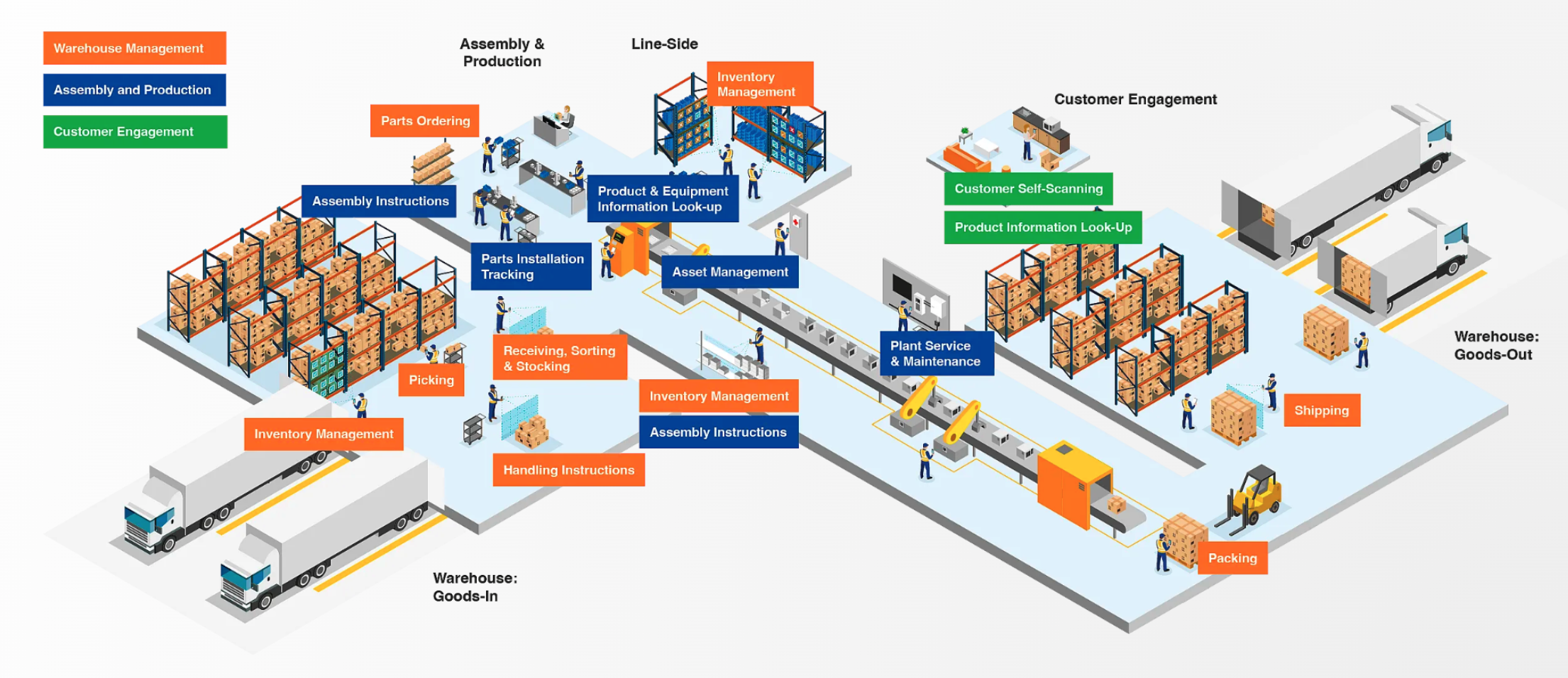
Manufacturing AI Precision Is Determined by Shopfloor Data
80% of AI projects fail, and 70% of those failures trace back to data quality. Automating data touchpoints from receiving to shipping is the prerequisite for AX success.
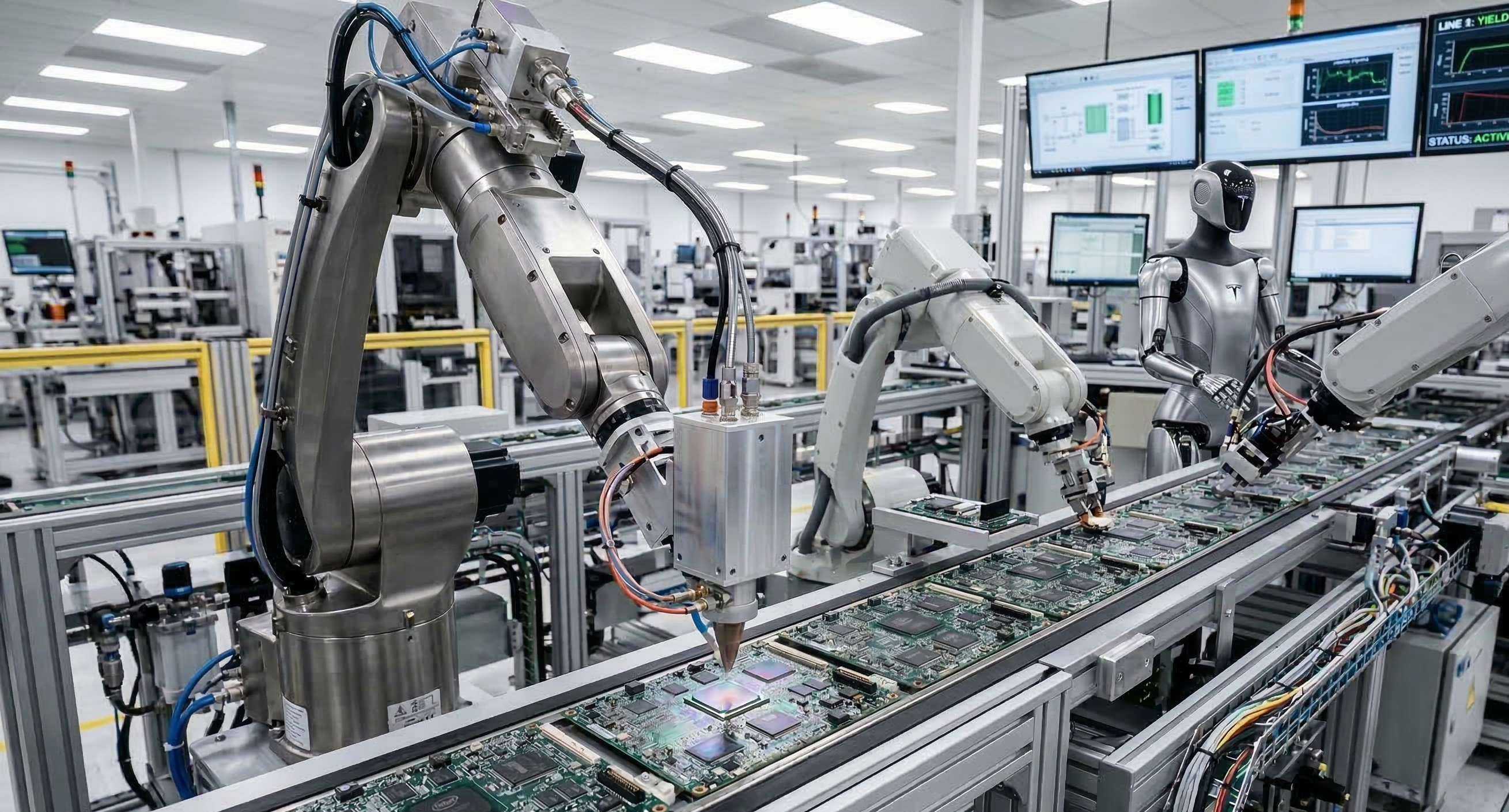
Manufacturing AI: Where Should You Actually Start?
More manufacturers are pouring millions into robot and digital twin POCs — only to see them collapse at the pilot stage. Here's why AX without DX fails, and where the real starting point is.

Opening the Black Box of Offline Retail — Mobile Scan Customer Analytics
E-commerce tracks every customer action. Offline stores? Only sales receipts. Learn how mobile scan technology captures the hidden customer data in physical retail.