
Loading...
Latest news on smart data capture and digital transformation
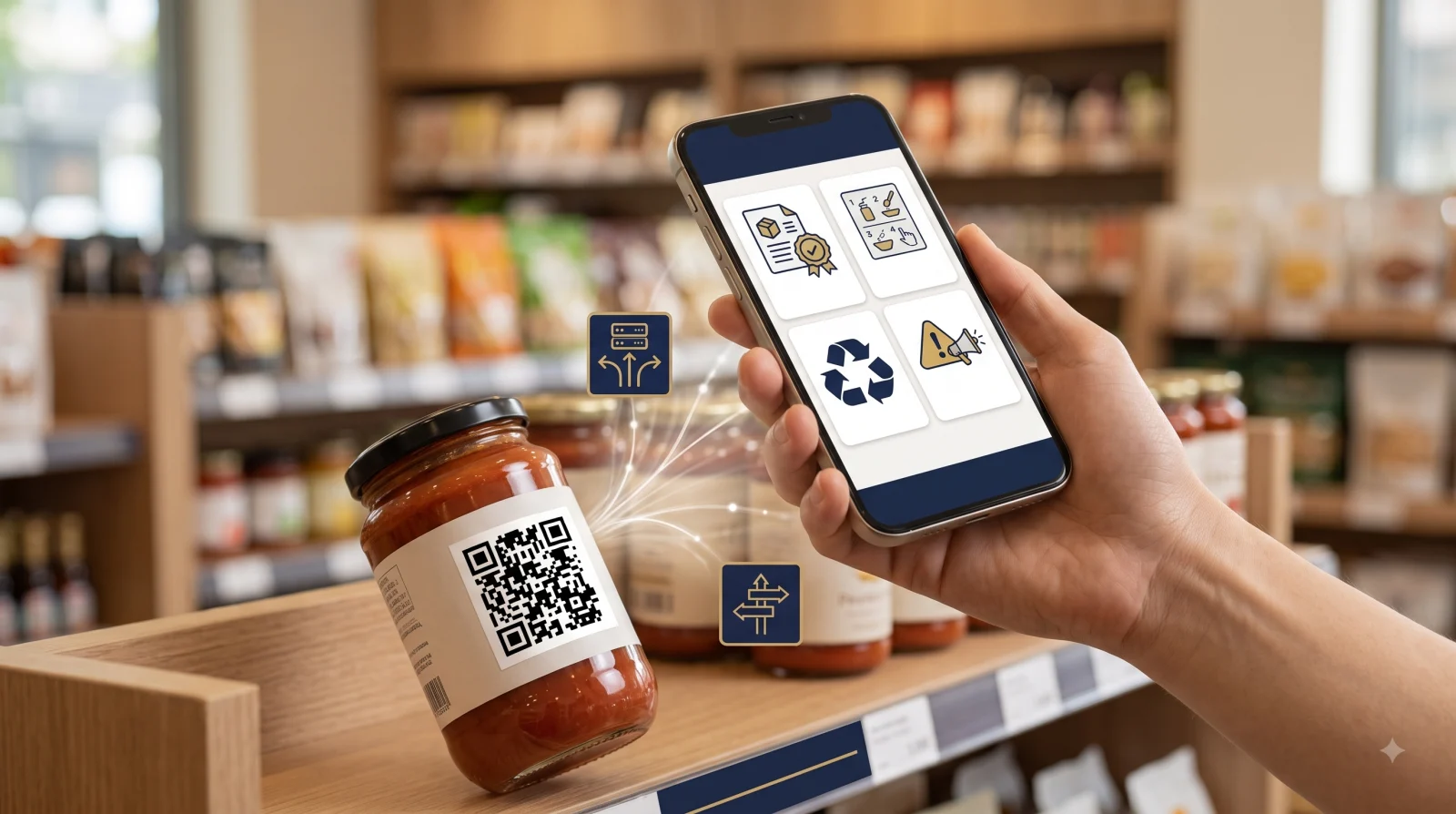
The barcode that once found a price at checkout is becoming a digital address for product information and history. A plain-language guide to GS1 Digital Link 1.7 and why it matters.

The EU's Digital Product Passport registry went live in July 2026. Luxury brands are answering with 2-3mm Data Matrix codes engraved into watches and jewelry — codes standard scanners can barely read. Why they fail, and how to fix it.
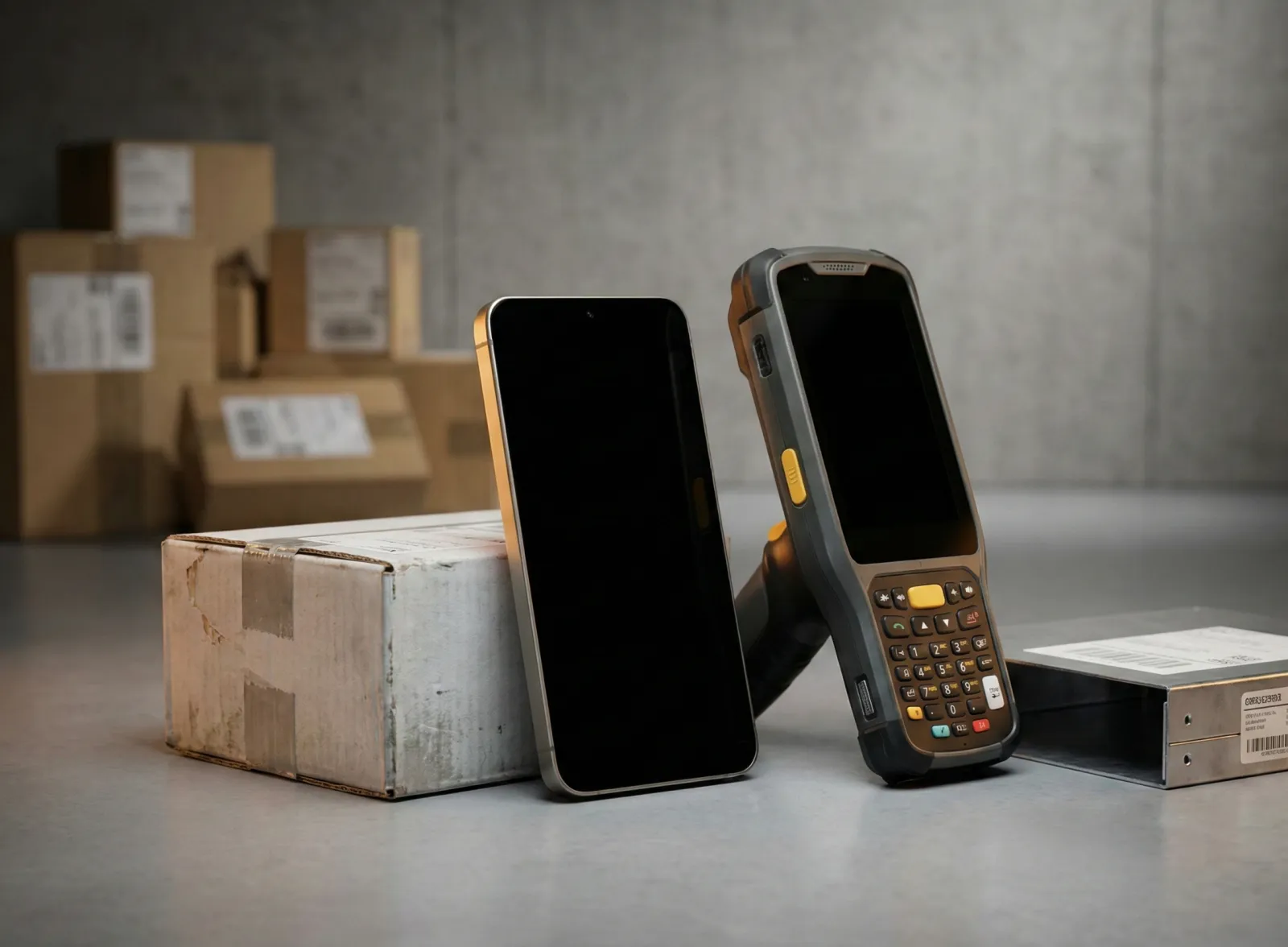
When your industrial PDAs start failing more often and the manufacturer announces end-of-life, you're forced to make a call. Before reordering the same brand's next model out of habit, here's a 7-point checklist for evaluating a switch to smartphone-based scanning.
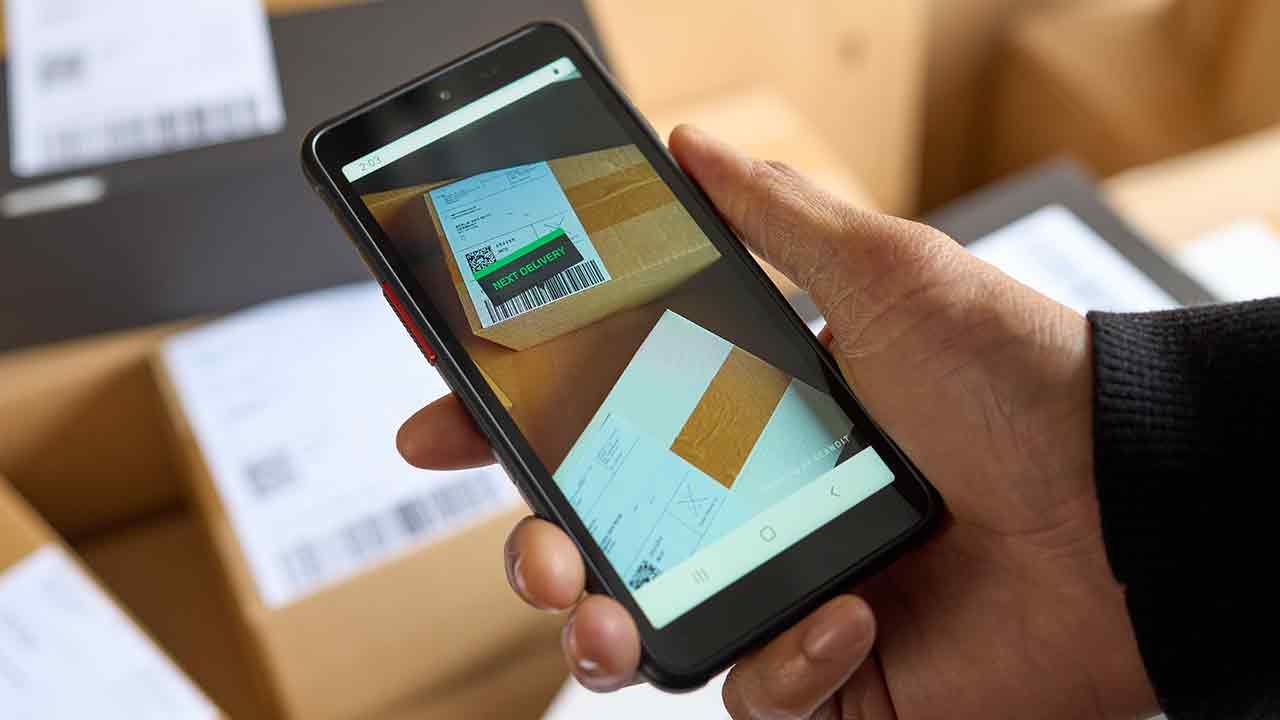
If month-end inventory counts always turn into a late night, and scan totals never quite match what's actually on the shelf, it's time to rethink your inventory count app. Here's what actually separates an off-the-shelf app from building your own on top of a scanning SDK.
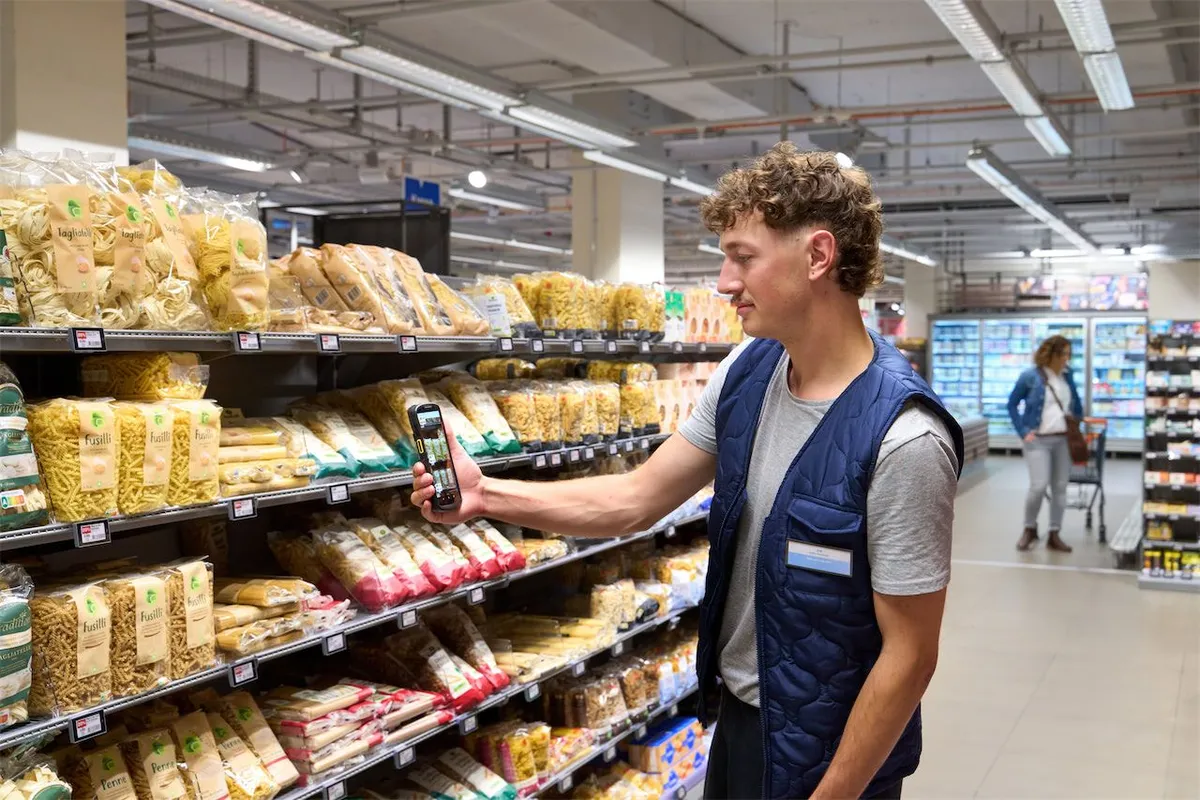
From autonomous warehouse drones to barcode-free self-checkout — a rundown of the six vision AI companies Scandit CTO Christian Floerkemeier picked as ones to watch in 2026: Gather AI, Mashgin, Motive, Roboflow, Symbotic, and Vimaan.
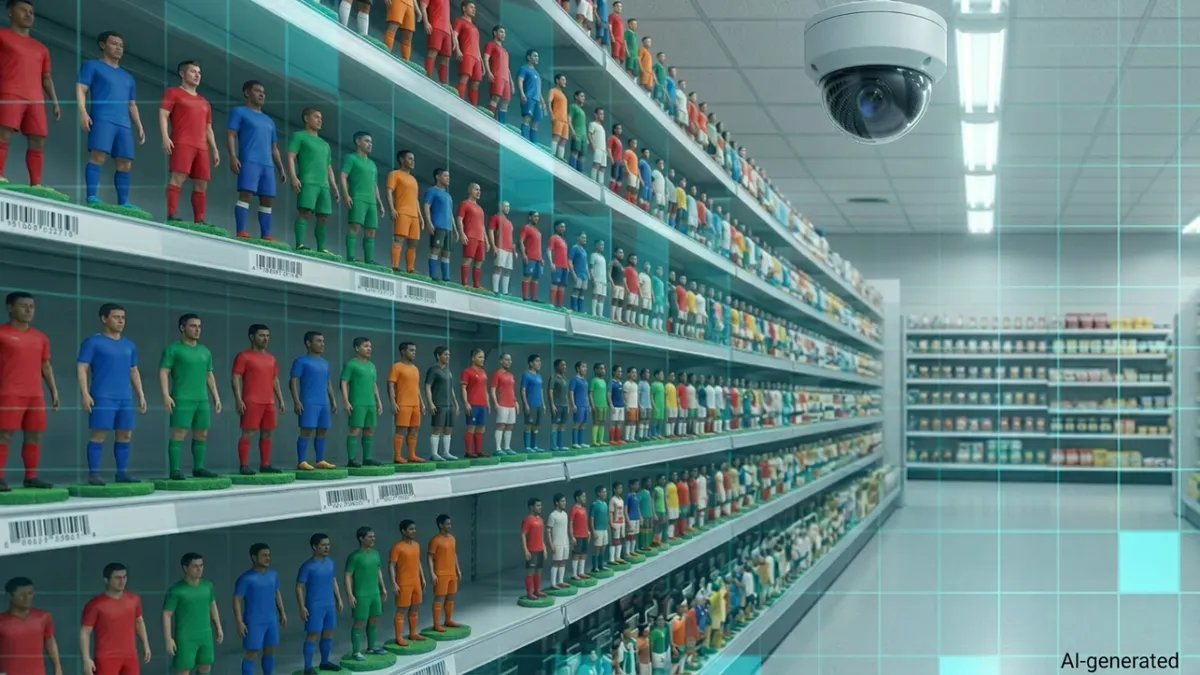
The World Cup's semi-automated offside system and retail shelf intelligence share the same playbook: fixed cameras, trained object models, and a reference state. The offside line on the pitch is the planogram in the store. A side-by-side comparison.
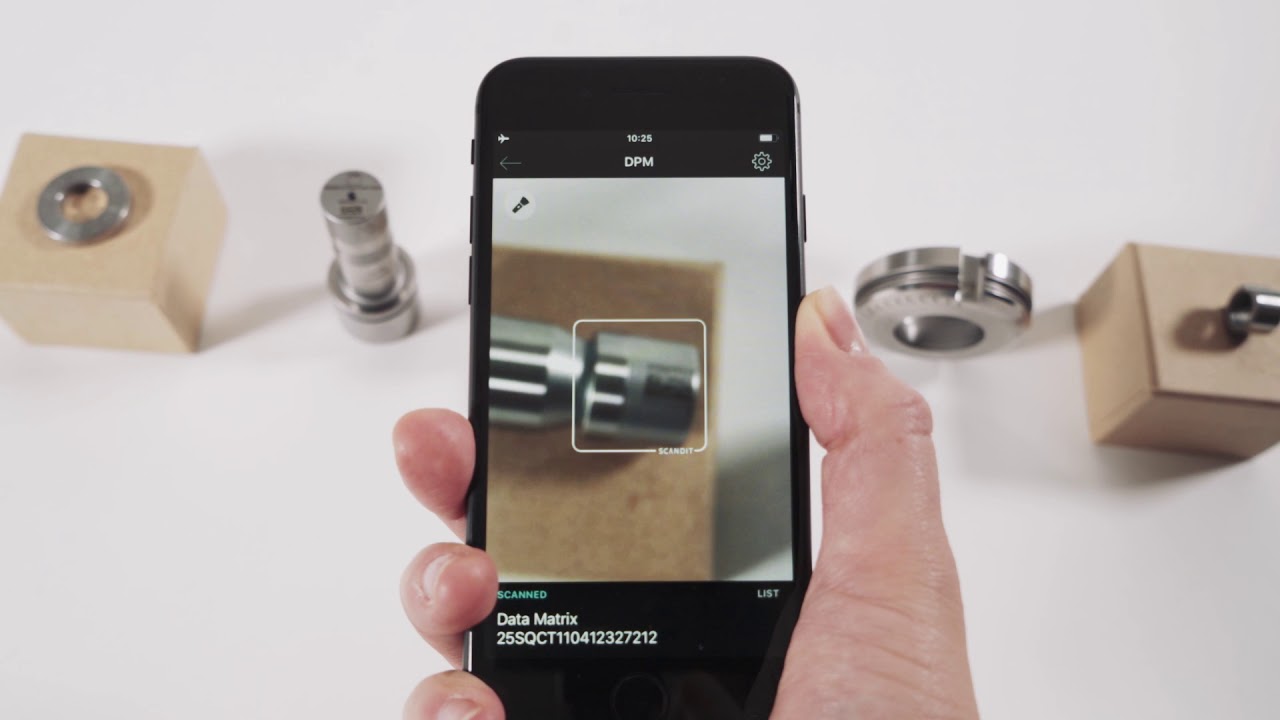
Engine blocks, PCBs, and surgical instruments can't carry paper labels. So manufacturers engrave barcodes straight onto the part — burned in by laser, hammered in by pin. The problem: these codes resist ordinary scanners. There's no ink contrast, metal reflects light, and surfaces curve. Why DPM codes are hard to read, and how a smartphone camera reads them anyway.
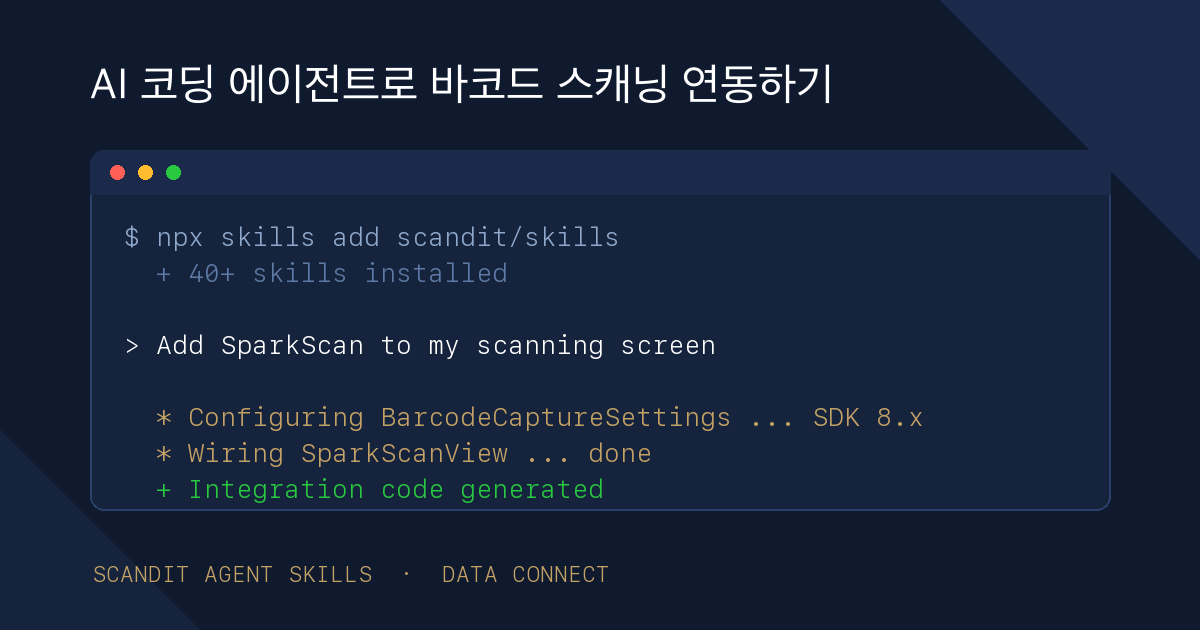
Scandit has released official Agent Skills that teach AI coding agents — Claude Code, Codex, Cursor and more — how to integrate the Scandit SDK correctly. One install command, and your agent writes integration code against the latest SDK version. Here is what changes, and how teams in Korea can put it to work.
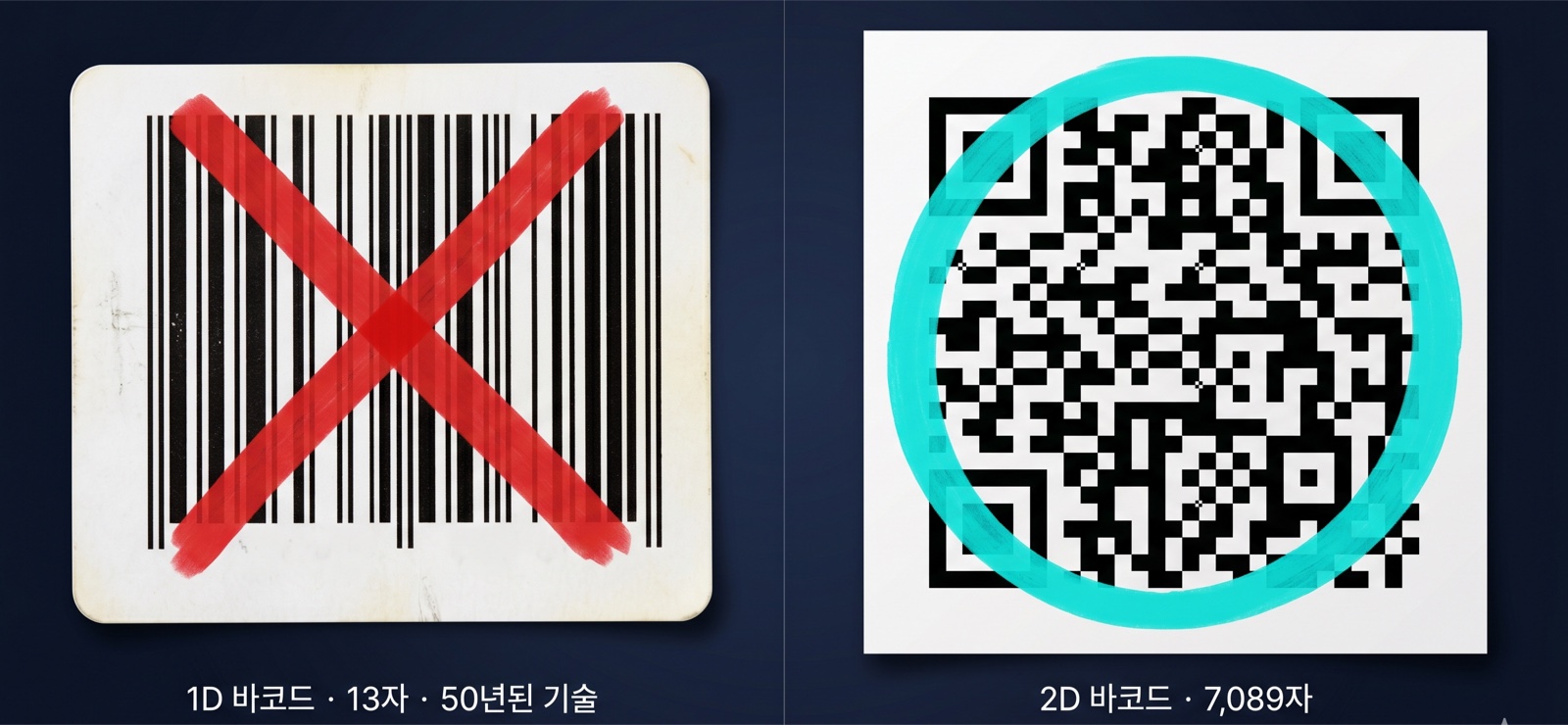
Supermarkets, pharmacies, factories, hospitals — the barcode you've seen every day for 50 years is shifting from stripes to squares. 540× the data capacity, up to 30% damage recovery, omnidirectional reading. One Australian supermarket cut food waste by 40%, and patients are now reading medicine information straight from their phones. Why every standards body and regulator is pointing the same way.

The GS1–Google collaboration is not really a story about replacing paper leaflets. It is the moment 16 billion barcodes already printed on pharmaceutical packaging were promoted into the standard entry point for product information in the AI era.
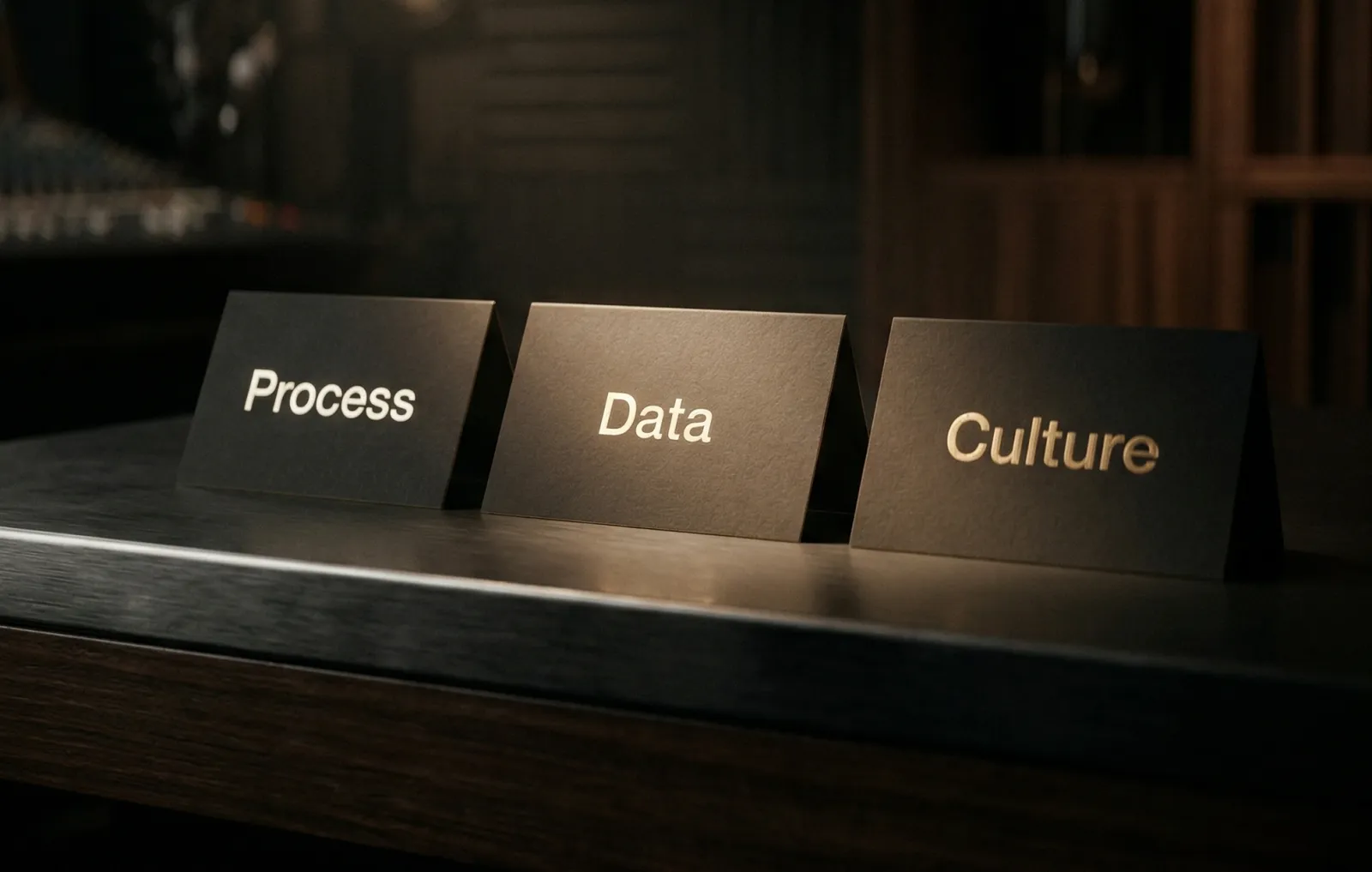
85% of enterprises are adopting AI, but only 39% see measurable results. Here are the three conditions that actually determine whether technology creates value — from the field.
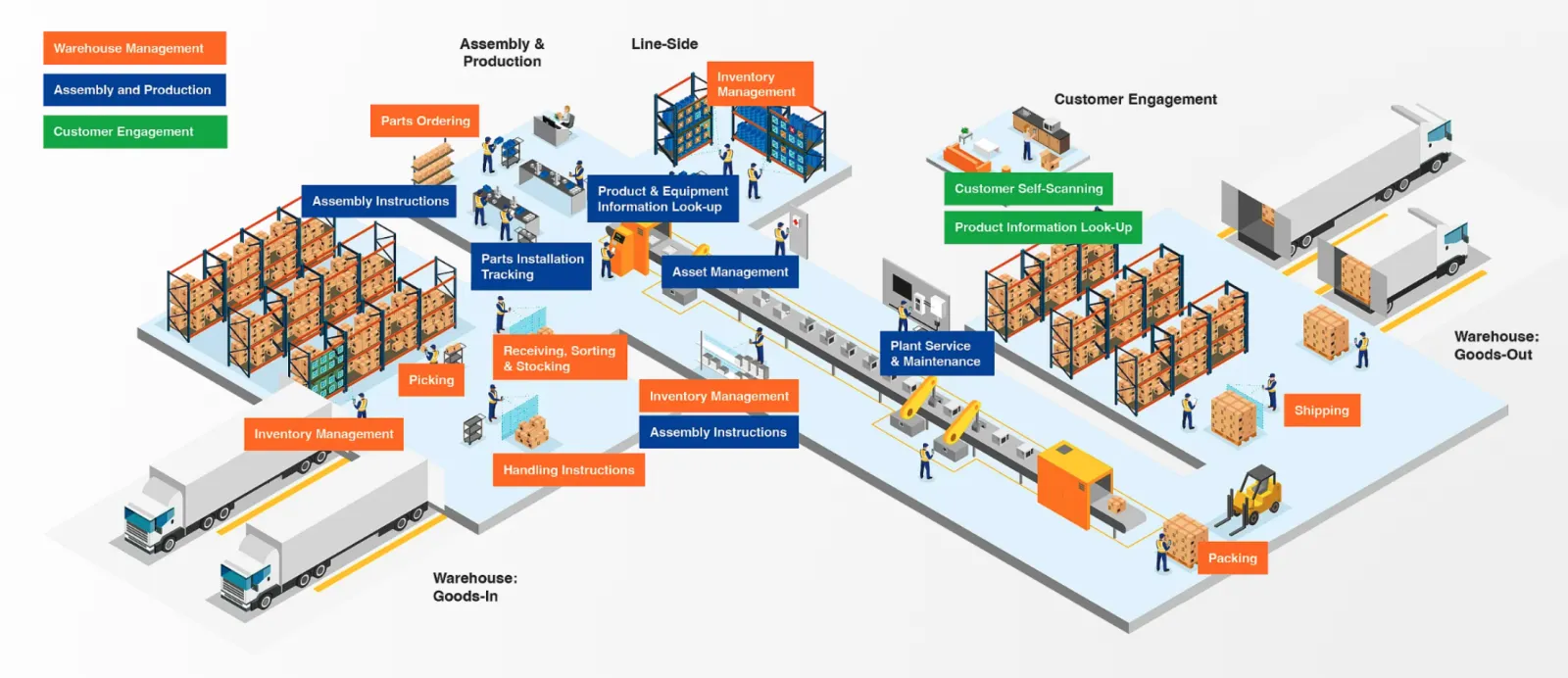
80% of AI projects fail, and 70% of those failures trace back to data quality. Automating data touchpoints from receiving to shipping is the prerequisite for AX success.
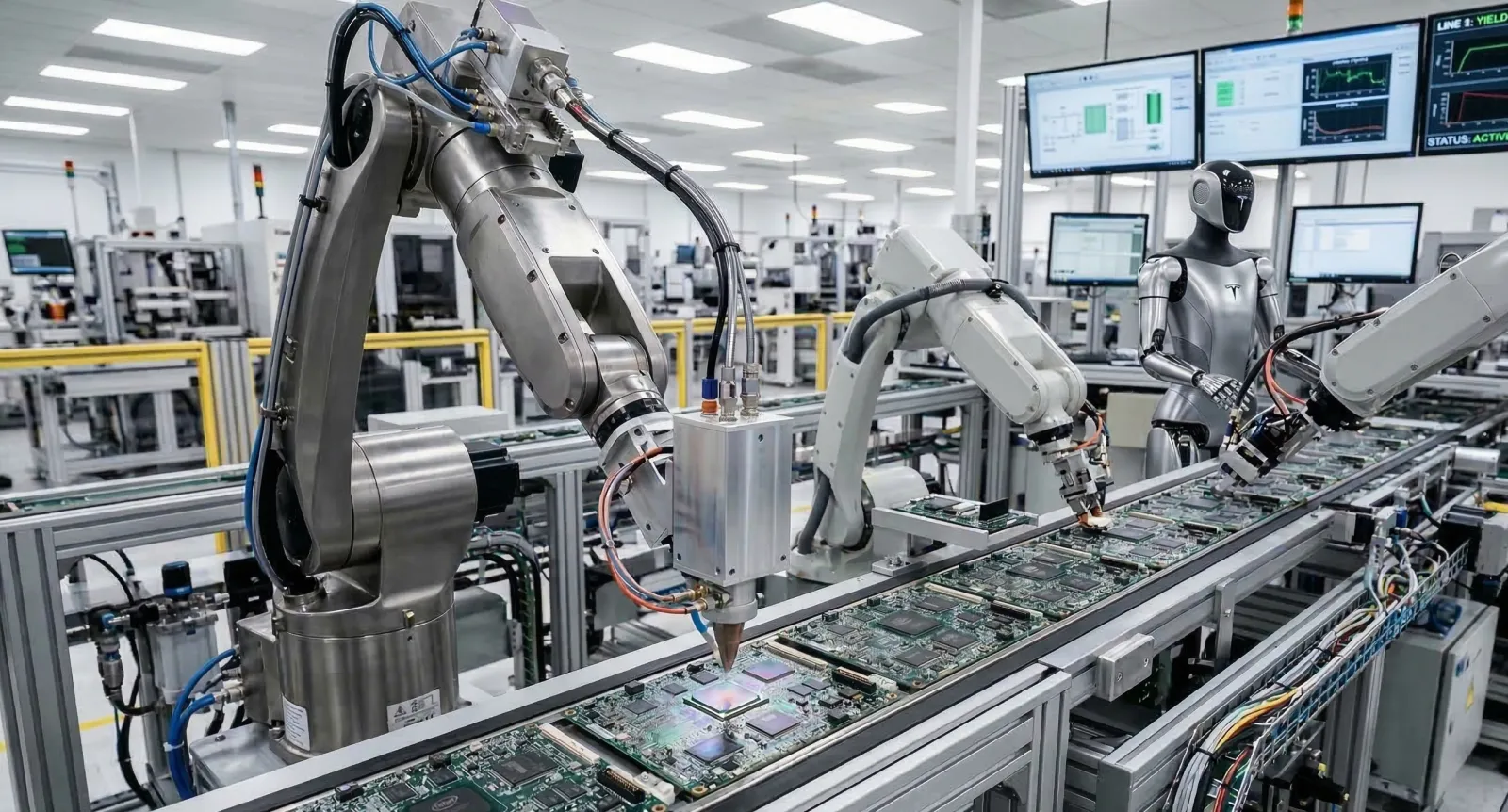
More manufacturers are pouring millions into robot and digital twin POCs — only to see them collapse at the pilot stage. Here's why AX without DX fails, and where the real starting point is.
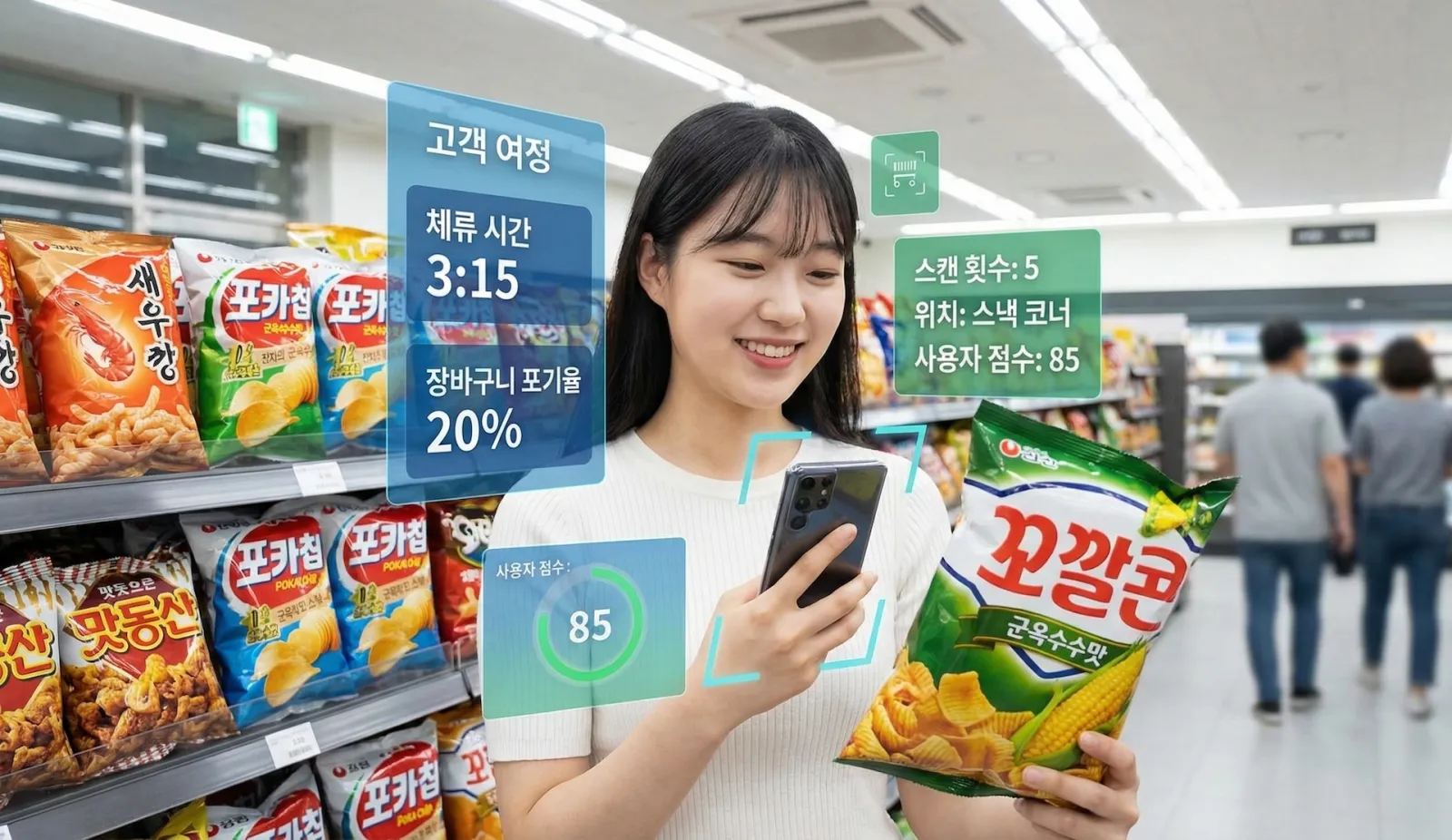
E-commerce tracks every customer action. Offline stores? Only sales receipts. Learn how mobile scan technology captures the hidden customer data in physical retail.
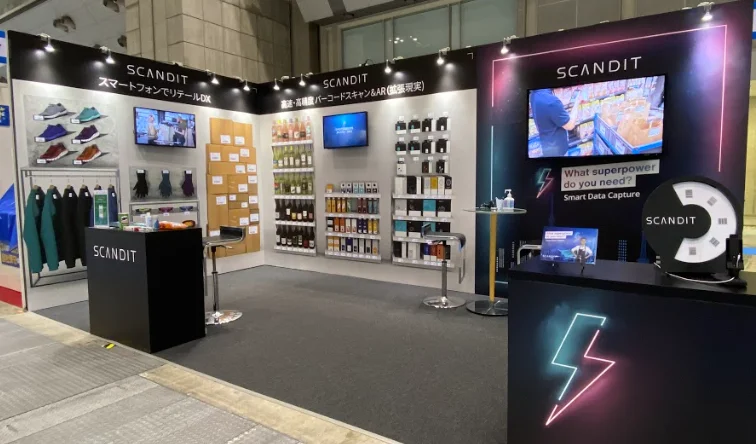
Scandit is exhibiting at RetailTech JAPAN 2026, March 3–6 at Tokyo Big Sight. Visit Booth RT6222 to see the world's leading software-based barcode scanning technology in action.
How software-based scanning on smartphones is solving the high cost and maintenance burden of industrial PDAs.
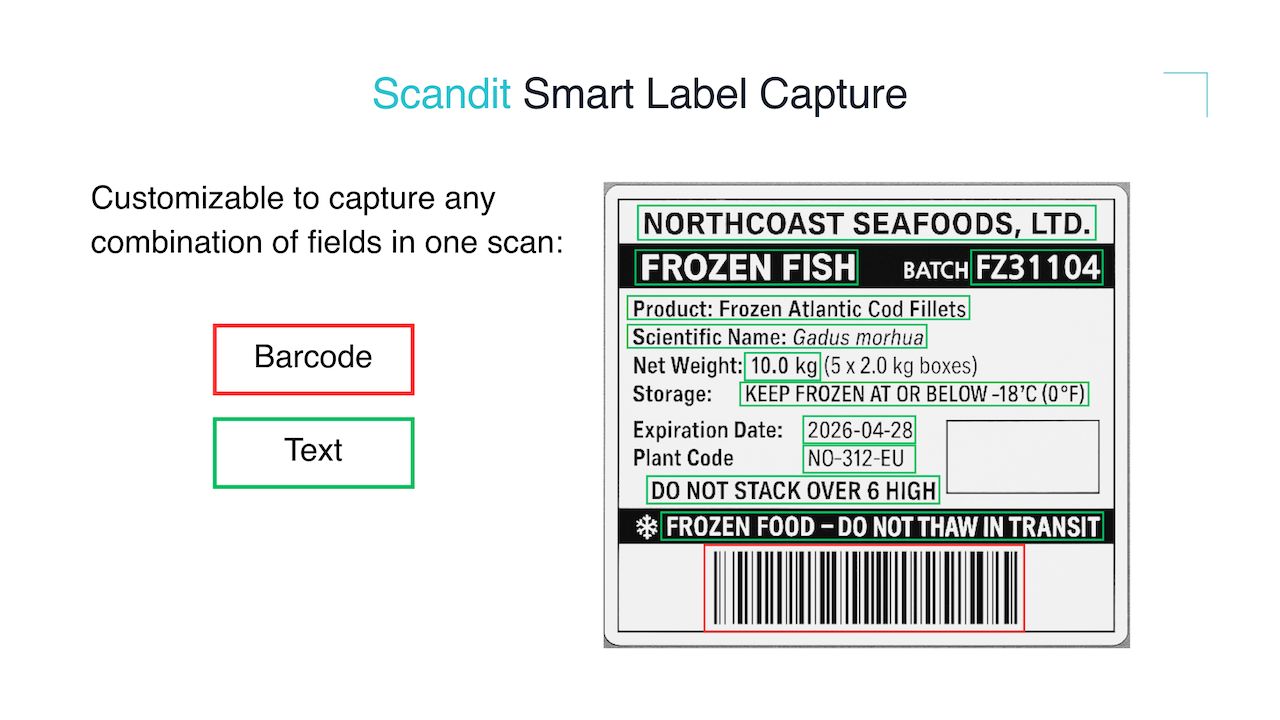
Expiry dates, prices, VINs — automatically capturing all information on a label with a single scan.
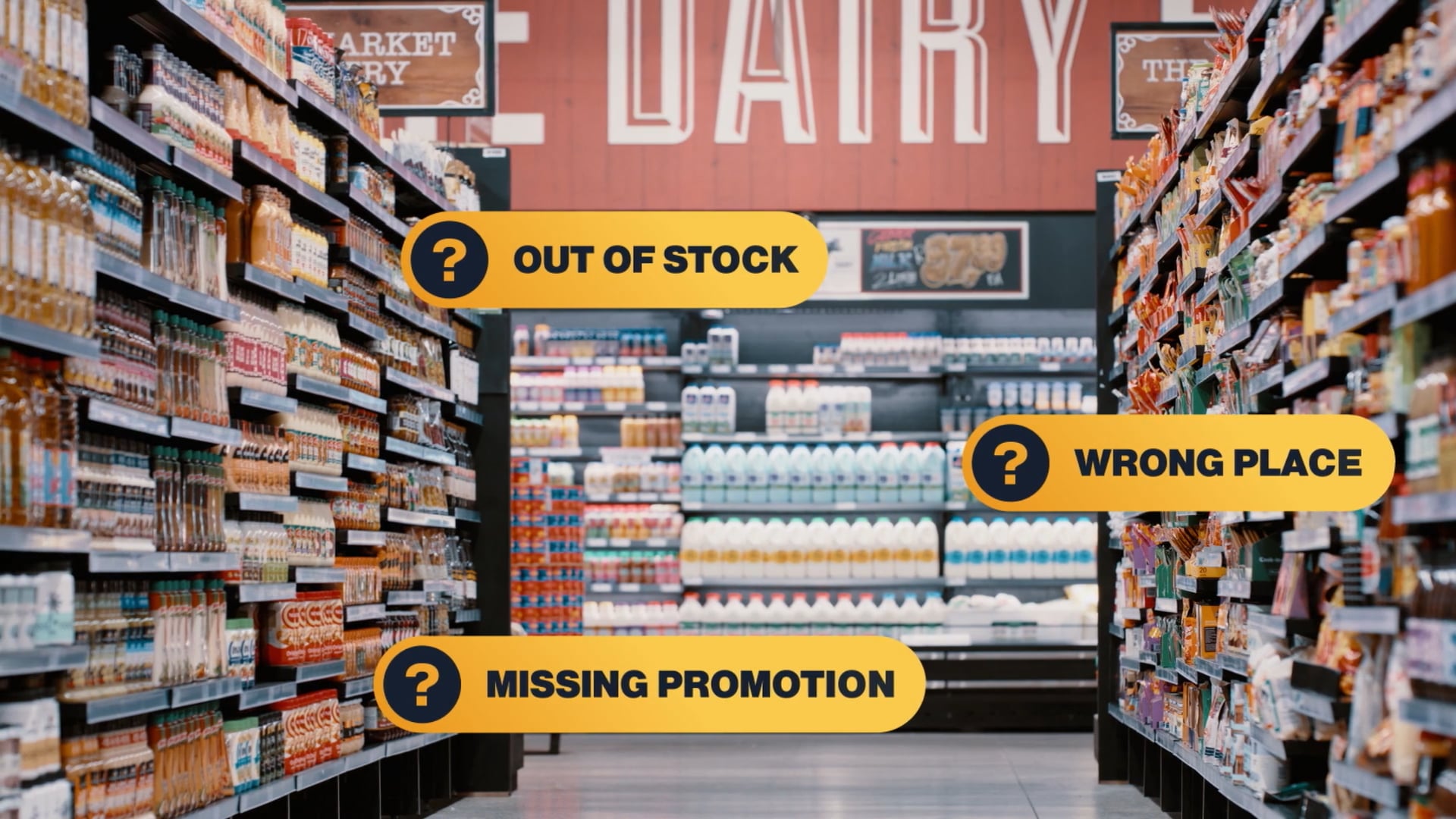
Barcode capture, OCR, shelf detection, and ID verification form a complete vision stack that gives retailers true operational visibility.
MatrixScan AR technology dramatically improves accuracy and speed in warehouse search, counting, and picking workflows.
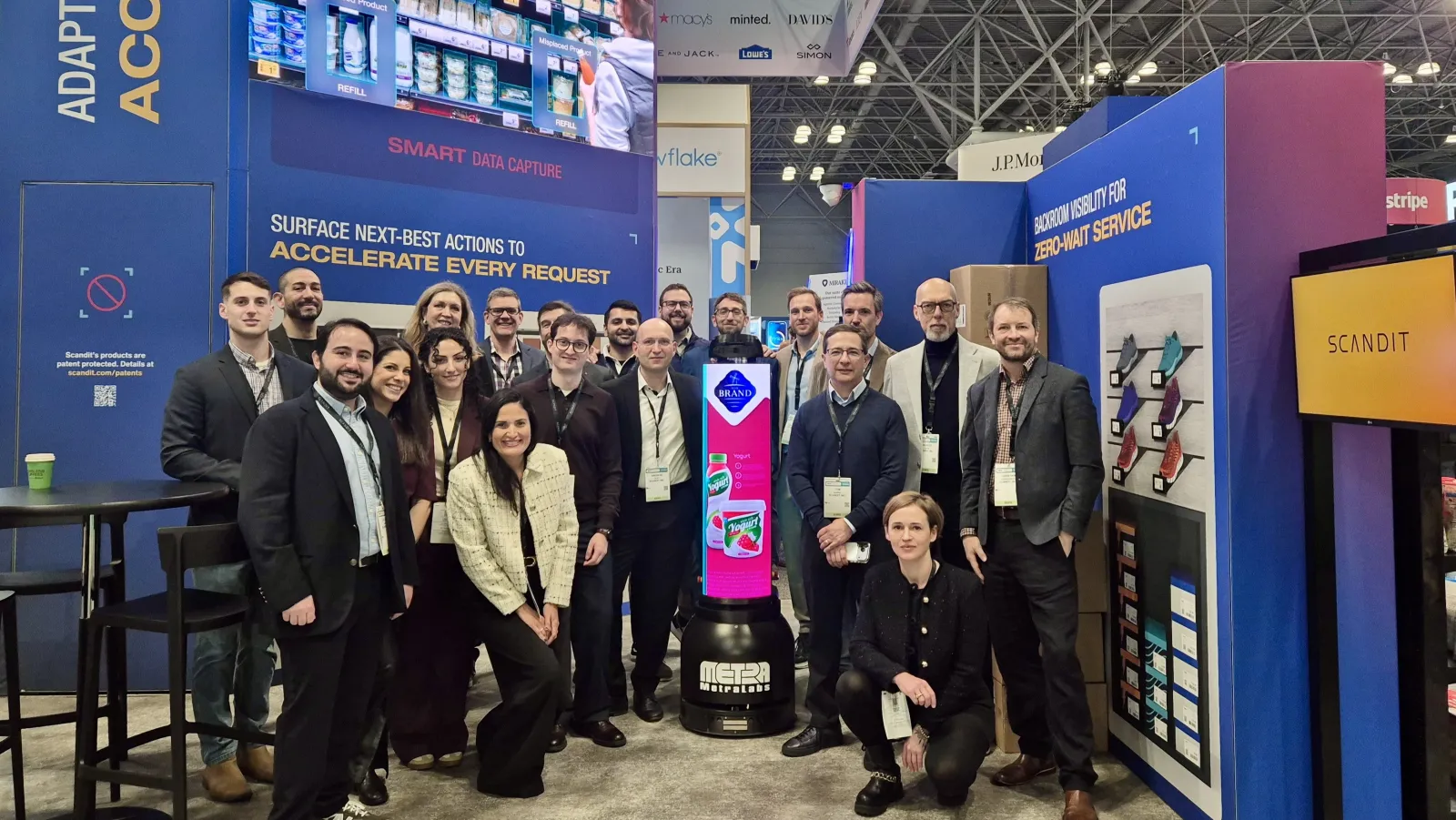
Shelf accuracy, food waste, fulfillment scaling, and frontline empowerment emerged as the four themes every retailer was talking about.
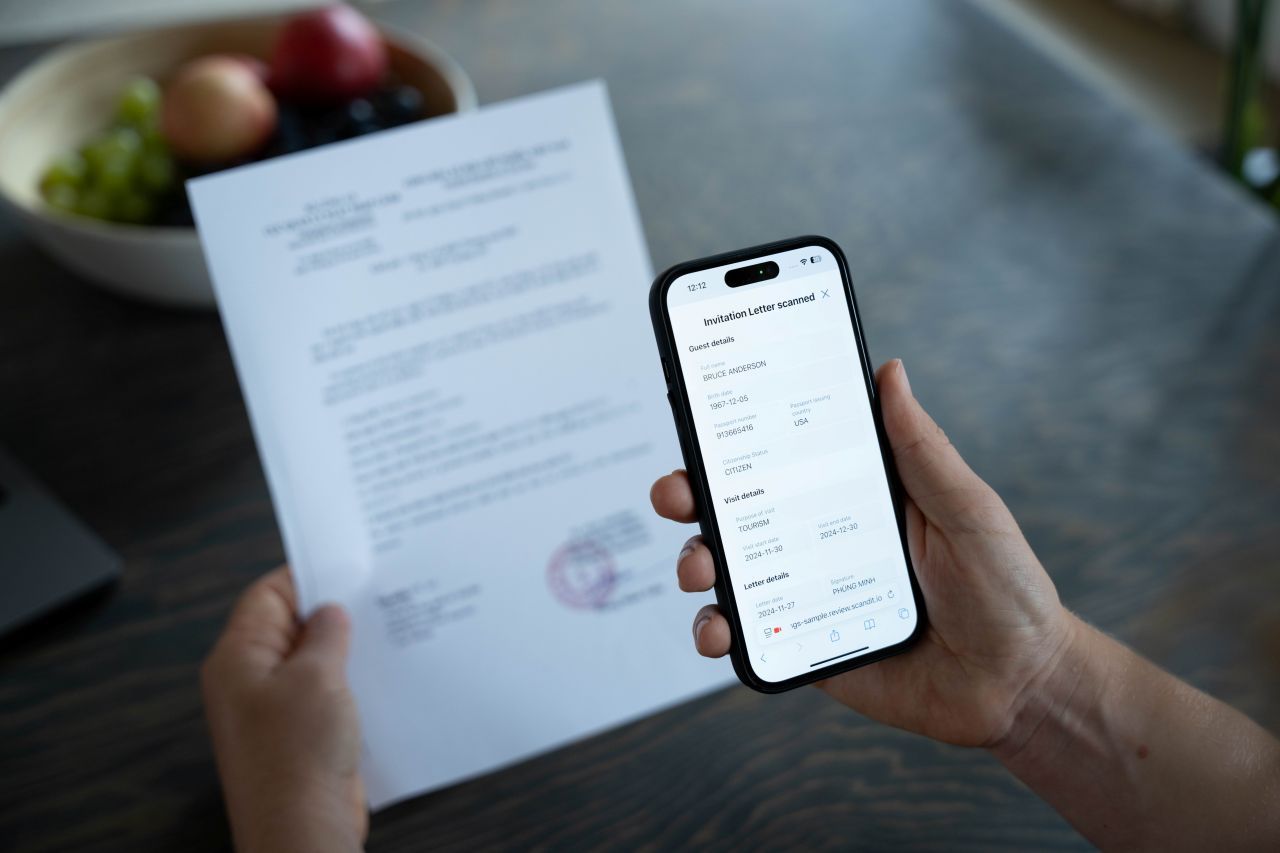
Next-generation AI scanning technology that understands intent and adapts to context is transforming frontline operations.
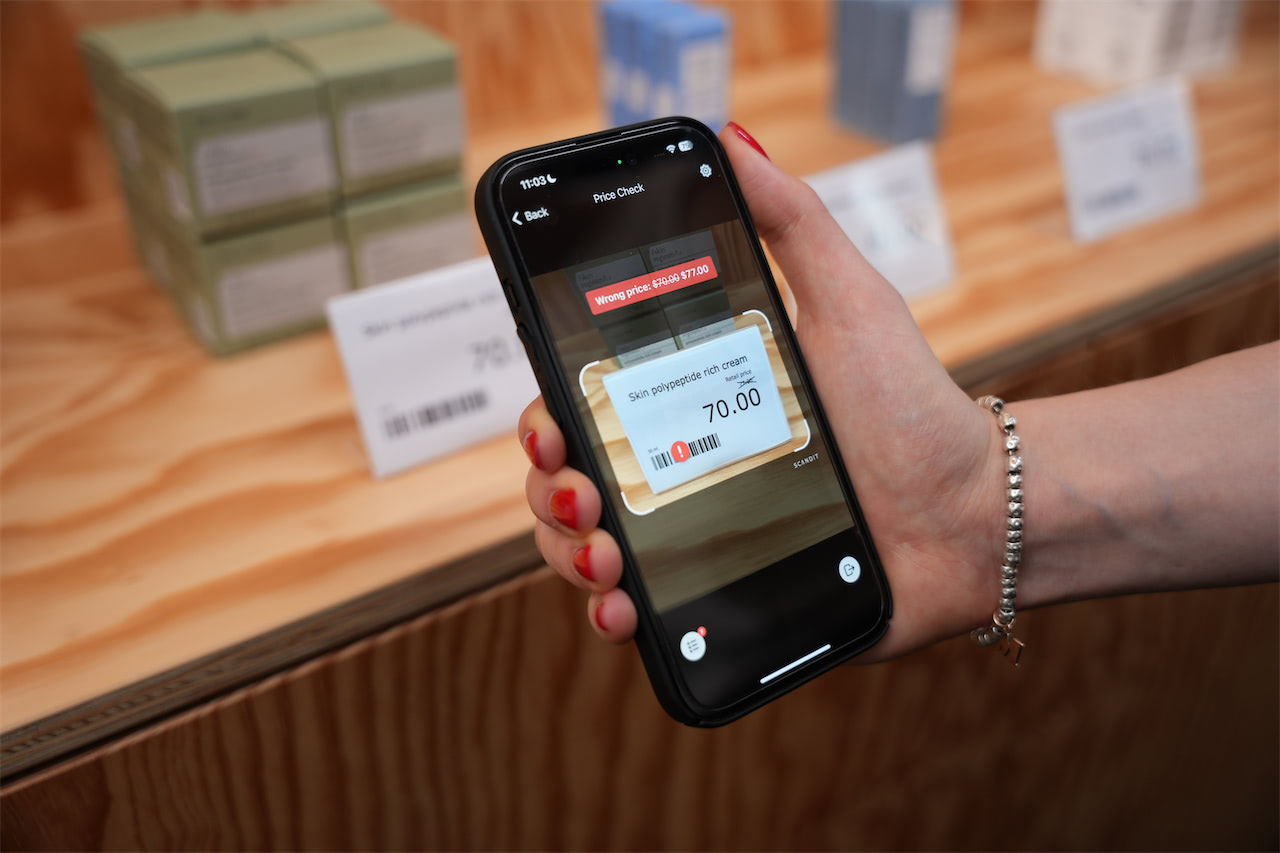
Physical AI, hybrid capture strategies, mainstream AR workflows, and evolved barcode scanning define the next wave of data capture innovation.
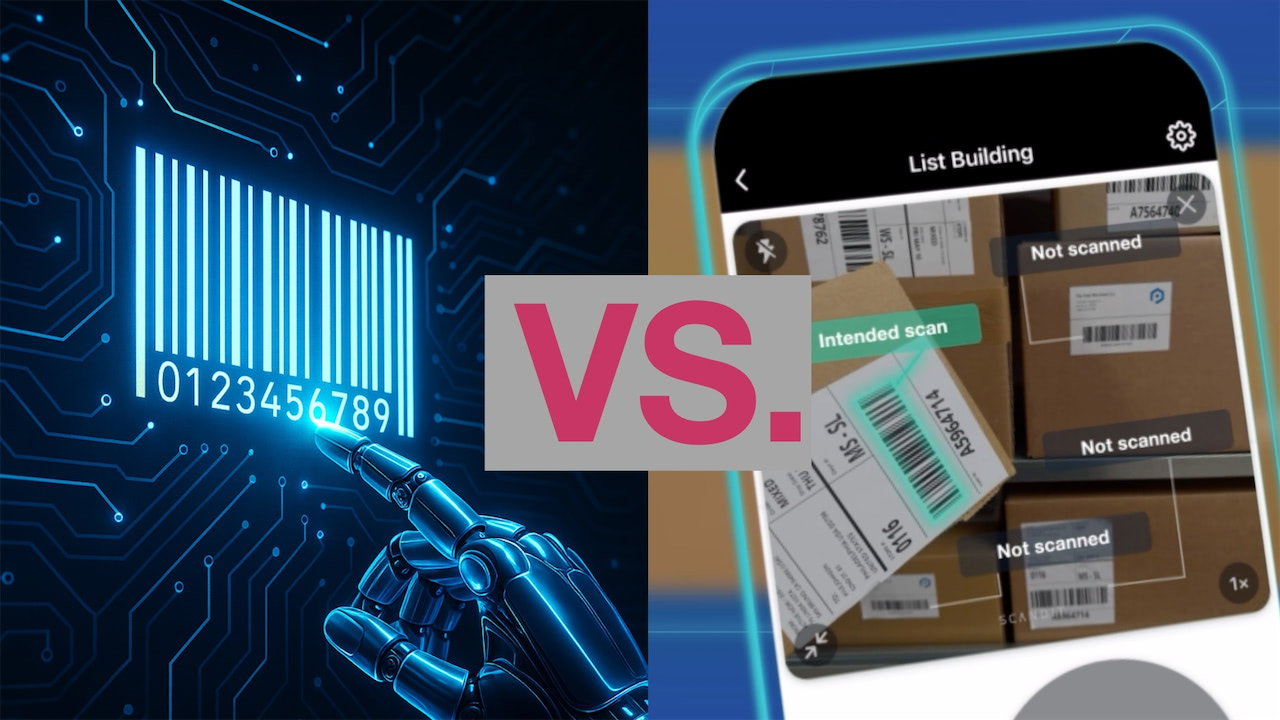
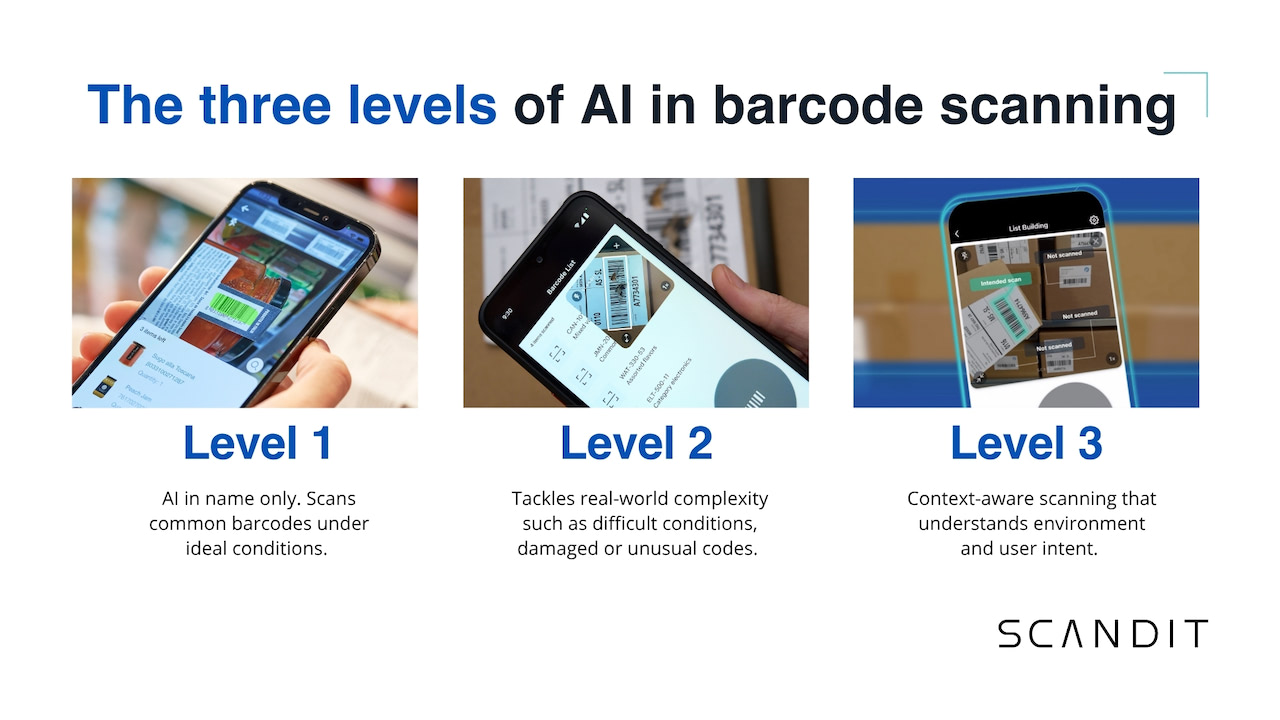
Three maturity levels of AI barcode scanning reveal which capabilities deliver real business value and which are marketing noise.

RFID and barcodes are not competing technologies — they serve different operational moments, and the best retailers deploy them together.

A comprehensive guide covering hardware vs software, scanning technologies, industry needs, and total cost of ownership for barcode scanner selection.
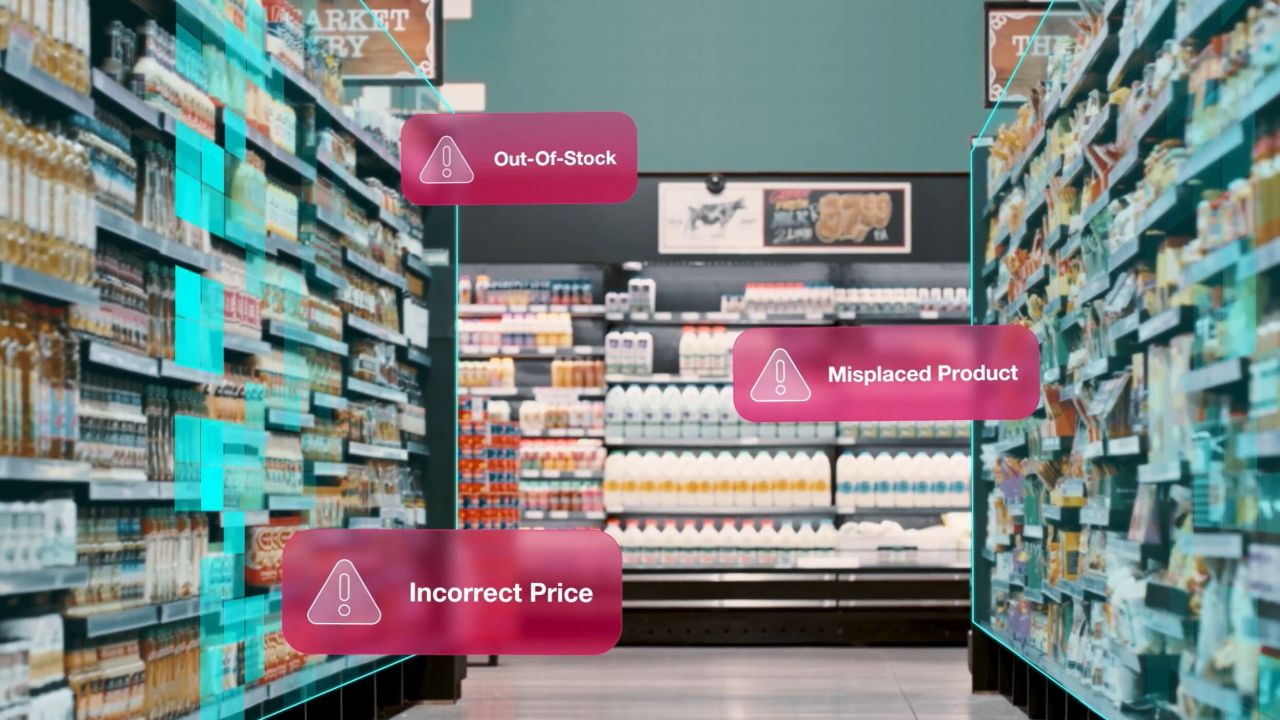
From computer vision outpacing GenAI to hybrid device ecosystems, these seven trends are redefining how enterprises collect and act on frontline data.
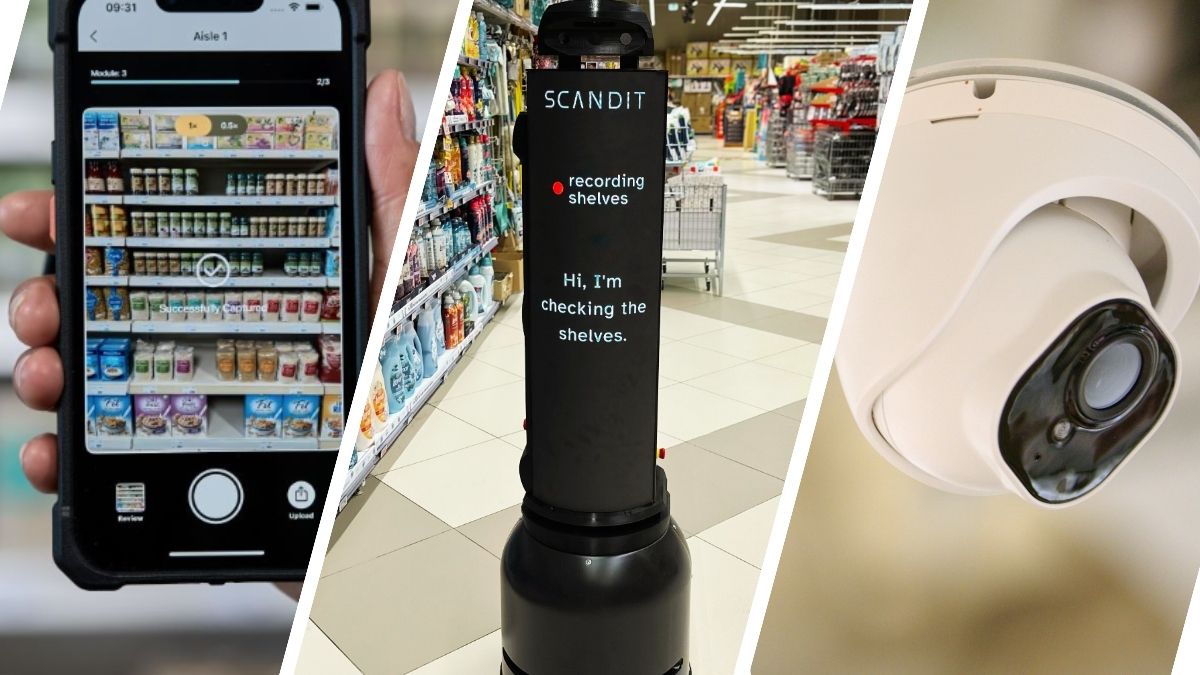
How autonomous mobile robots equipped with machine vision and barcode scanning are transforming warehouse operations while augmenting human capabilities.
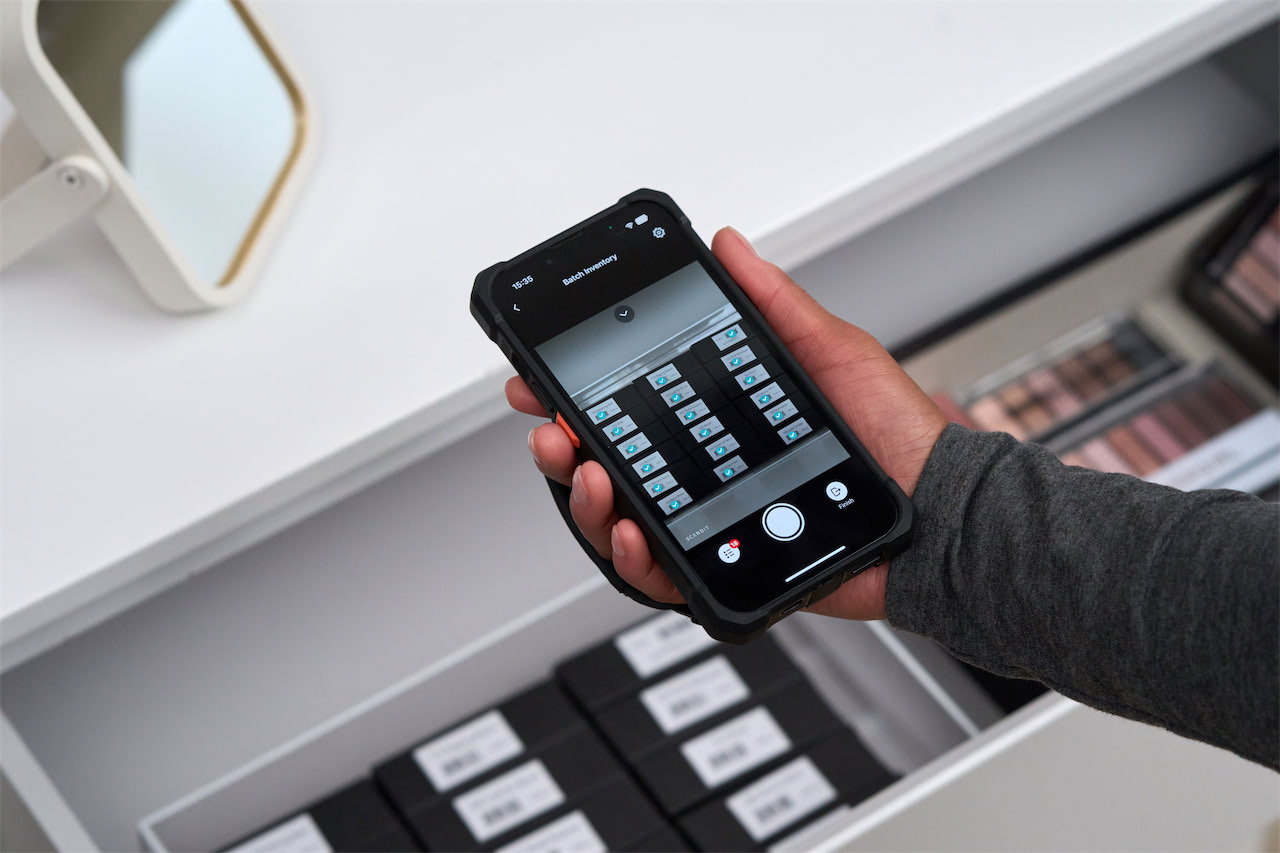
A practical evaluation framework for selecting a batch scanning SDK — covering speed, accuracy, AR overlays, security compliance, and real-world testing criteria.
A deep dive into SDK 8's breakthrough capabilities — adaptive AI scanning, MatrixScan Pick, Smart Label Capture, Barcode Clustering, and ID Bolt.
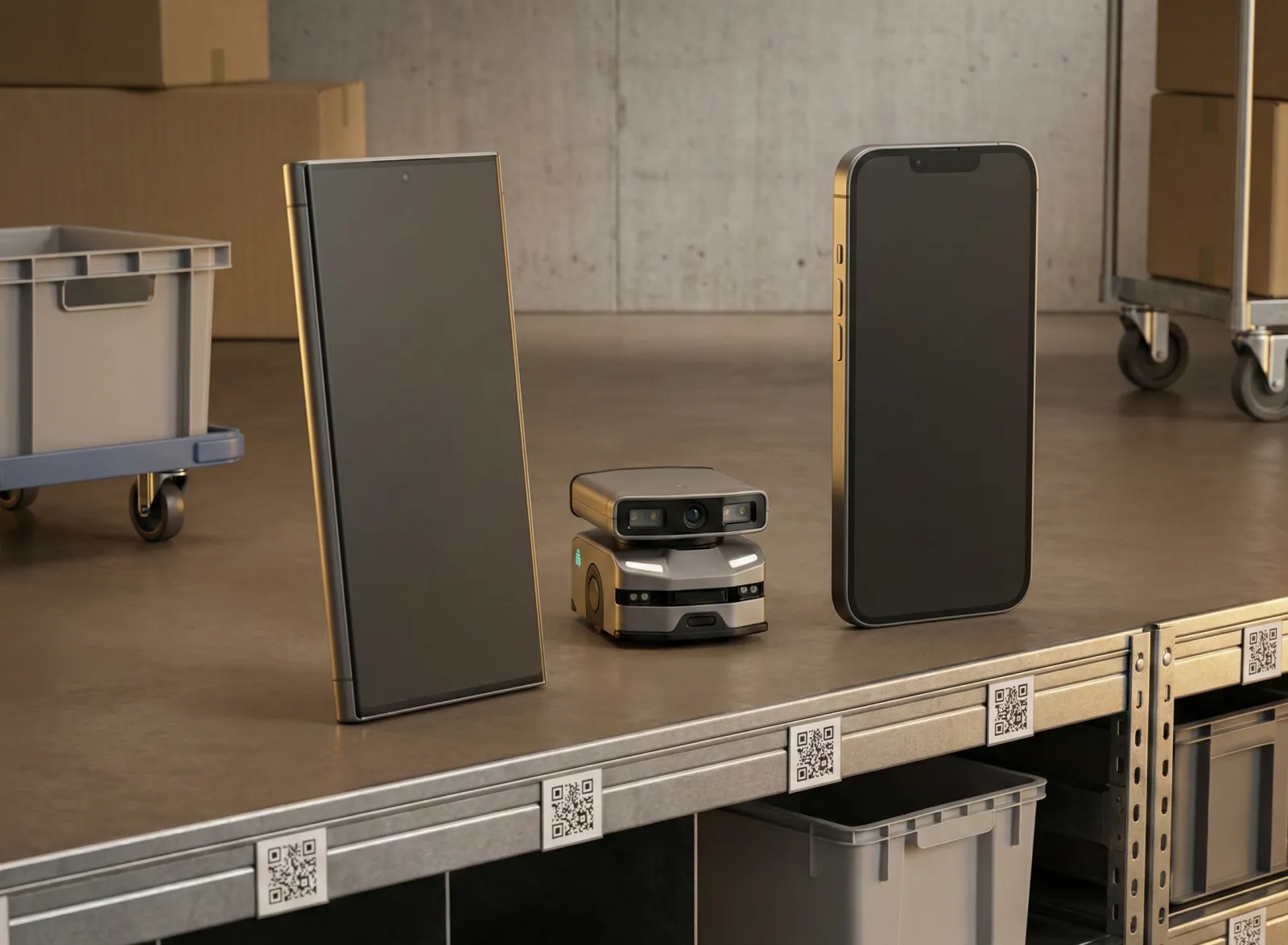
From AI computer vision to GS1 Sunrise 2027 and hybrid device ecosystems — a data-driven analysis of 7 trends that are fundamentally transforming how enterprises capture physical data.