Past Event Guide: Scandit's Plans for RetailTech JAPAN 2026
Problem
Retailers across Asia — Japan and Korea alike — face shared operational challenges: labor shortages, inaccurate inventory, and checkout congestion. The original event notice presented the show as an opportunity to review relevant solutions in person.
Solution
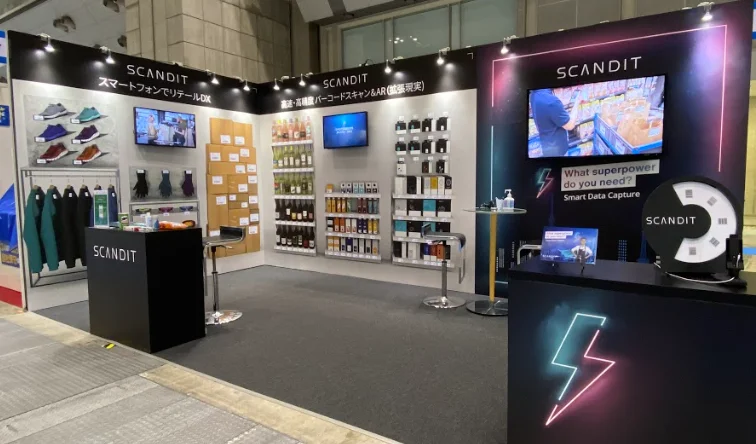
Scandit was listed as an exhibitor at RetailTech JAPAN 2026 and planned to present its software-based barcode scanning platform. The notice described how standard smartphones and tablets could deliver enterprise-grade scanning performance across retail, logistics, and manufacturing.
One of Asia's premier retail technology exhibitions, RetailTech JAPAN 2026, was scheduled for March 3–6, 2026, at Tokyo Big Sight's East Exhibition Hall. The event notice listed Scandit as an exhibitor planning to introduce its software-based barcode scanning technology.
About RetailTech JAPAN
RetailTech JAPAN is Japan's largest dedicated retail IT trade show, bringing together retail executives, store operations managers, and IT decision-makers to explore technology that can modernize the shop floor, supply chain, and checkout experience.
Event details in the original notice
| Dates | March 3–6, 2026 (Tuesday–Friday) |
| Venue | Tokyo Big Sight, East Exhibition Hall |
| Hours | 10:00 AM – 5:00 PM (4:30 PM on final day) |
| Admission | Free with advance registration |
| Scandit Booth | RT6222 |
What Scandit Planned to Showcase
Scandit holds the #1 global market share in software-based barcode scanning — a category it helped define. The core idea is straightforward: instead of buying dedicated scanning hardware, enterprises deploy Scandit's SDK on the smartphones and tablets their workers already carry, achieving performance that rivals or exceeds purpose-built devices.
The event notice listed the following planned demonstrations at Booth RT6222:
Barcode Scanner SDK
The foundation of Scandit's platform. It enables smartphone cameras to scan barcodes at up to 85 times per second with high accuracy across damaged labels, extreme angles, and low-light environments — conditions that trip up generic camera-based solutions.
MatrixScan
Scandit's technology for scanning multiple barcodes simultaneously, with augmented reality overlays highlighting items in real time. Particularly powerful for warehouse picking, shelf inventory checks, and multi-item order verification.
Smart Label Capture
Beyond barcodes, Smart Label Capture reads text, expiry dates, nutritional information, and other structured data from product labels using OCR. Ideal for fresh food management, pharmaceutical tracking, and compliance workflows.
The Problems Scandit Solves in Retail
Across every retail market in Asia, the pain points are consistent:
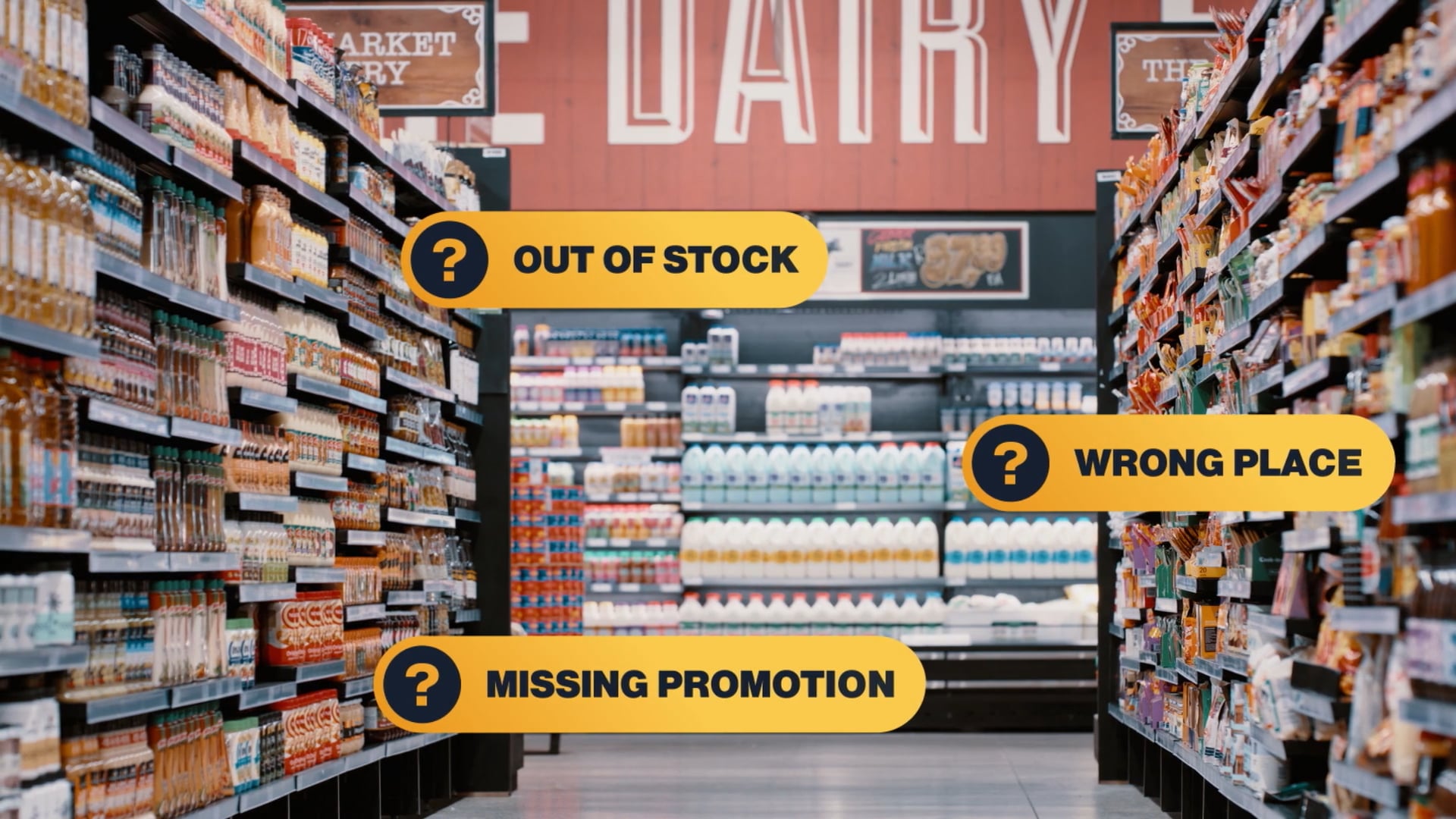
Inventory accuracy gaps — The difference between what the system says is on the shelf and what is actually there translates directly to lost sales. Smart data capture technology closes that gap through faster, more accurate cycle counts and real-time shelf monitoring.
Checkout friction — Smartphone-based self-checkout and mobile POS reduce queue time and give store managers more flexibility in how they deploy staff.
Frontline productivity — Workers using familiar smartphones with purpose-built scanning apps get up to speed faster, make fewer errors, and handle higher throughput than those relying on dedicated hardware that requires separate training.
Korean Adoption Inquiries
This article summarizes the technology and schedule announced for RetailTech JAPAN 2026. Data Connect is Scandit's official partner in Korea; Korean companies can use the contact page below to discuss local adoption.

Contact Data Connect About Adoption in Korea
If you are considering Scandit for a Korean deployment, contact Data Connect to discuss it.
FAQ
Explore this for your workflow
Tell us about your workflow, devices and barcode samples. We can help assess SDK options and system integration.
Related Posts
Luxury DPP Compliance: the Big Problem of Tiny Engraved Codes
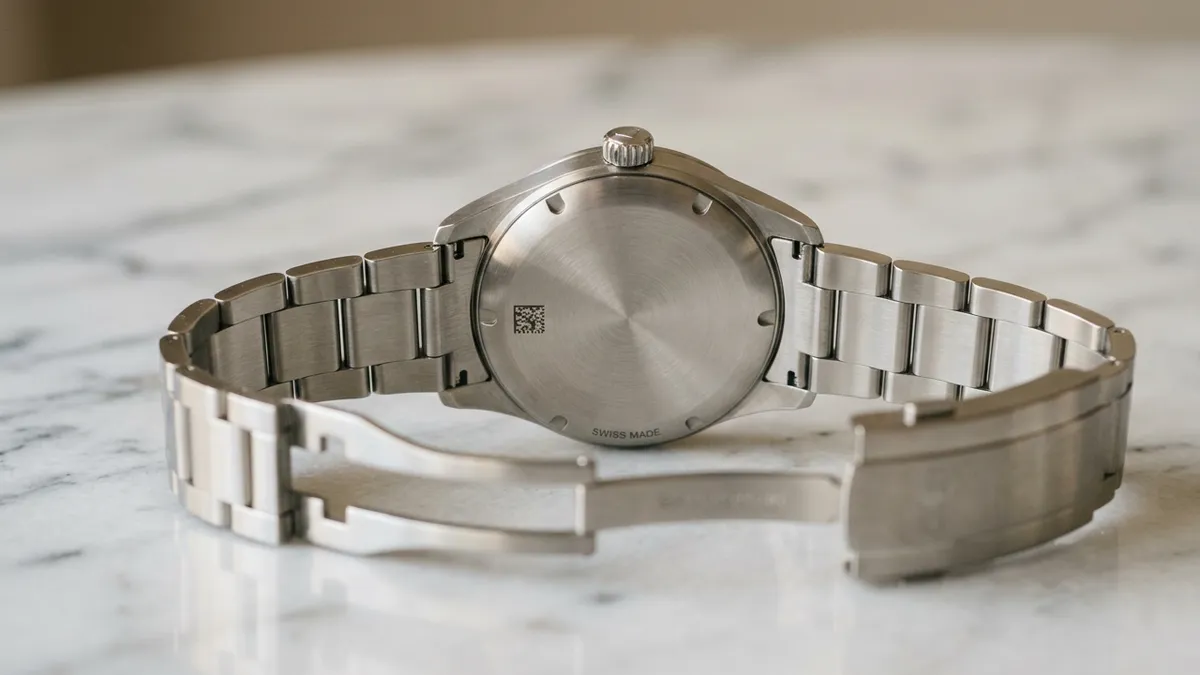
The EU's Digital Product Passport registry went live in July 2026. Luxury brands are answering with 2-3mm Data Matrix codes engraved into watches and jewelry — codes standard scanners can barely read. Why they fail, and how to fix it.
Four Pillars of Retail Computer Vision: Beyond Barcode Scanning
Barcode capture, OCR, shelf detection, and ID verification form a complete vision stack that gives retailers true operational visibility.
NRF 2026 Recap: Four Priorities That Defined the Conversation
Shelf accuracy, food waste, fulfillment scaling, and frontline empowerment emerged as the four themes every retailer was talking about.