
How to Choose the Right Barcode Scanner in 2026

Problem
Organizations investing in barcode scanning face a bewildering range of options — hardware handhelds, smartphone-based SDKs, laser vs imager, 1D vs 2D — with no clear framework for evaluating which approach delivers the best long-term value for their specific environment.
Solution
By systematically evaluating five dimensions — scanning technology type, symbology requirements, environmental durability, enterprise integration complexity, and total cost of ownership — companies can make an informed decision that balances upfront investment against operational flexibility and future scalability.
Outcome
- Clear framework for comparing hardware scanners vs software-based scanning solutions
- Reduced risk of costly equipment mismatches with operational requirements
- Lower 3-year total cost of ownership through informed procurement decisions
Selecting a barcode scanner is no longer as simple as picking a device off a catalog page. The right choice depends on your operational context, growth plans, and budget — and the landscape has shifted dramatically.
Hardware Scanners vs Software-Based Scanning
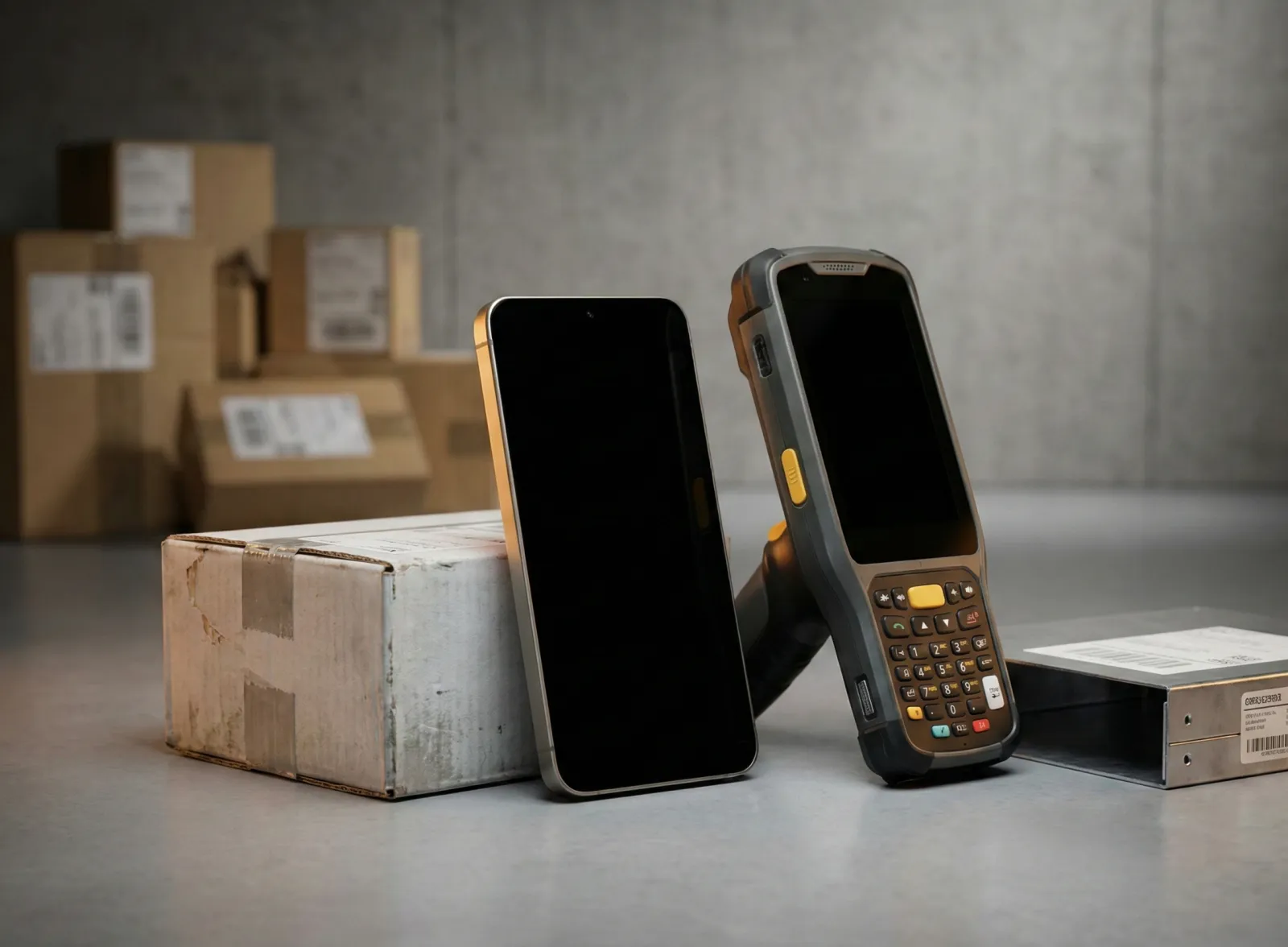
Traditional dedicated scanners — ruggedized handhelds, fixed-mount units, and ring scanners — remain relevant in specific harsh-environment scenarios like cold-chain logistics or heavy manufacturing. They offer physical durability and optics optimized for a single task.
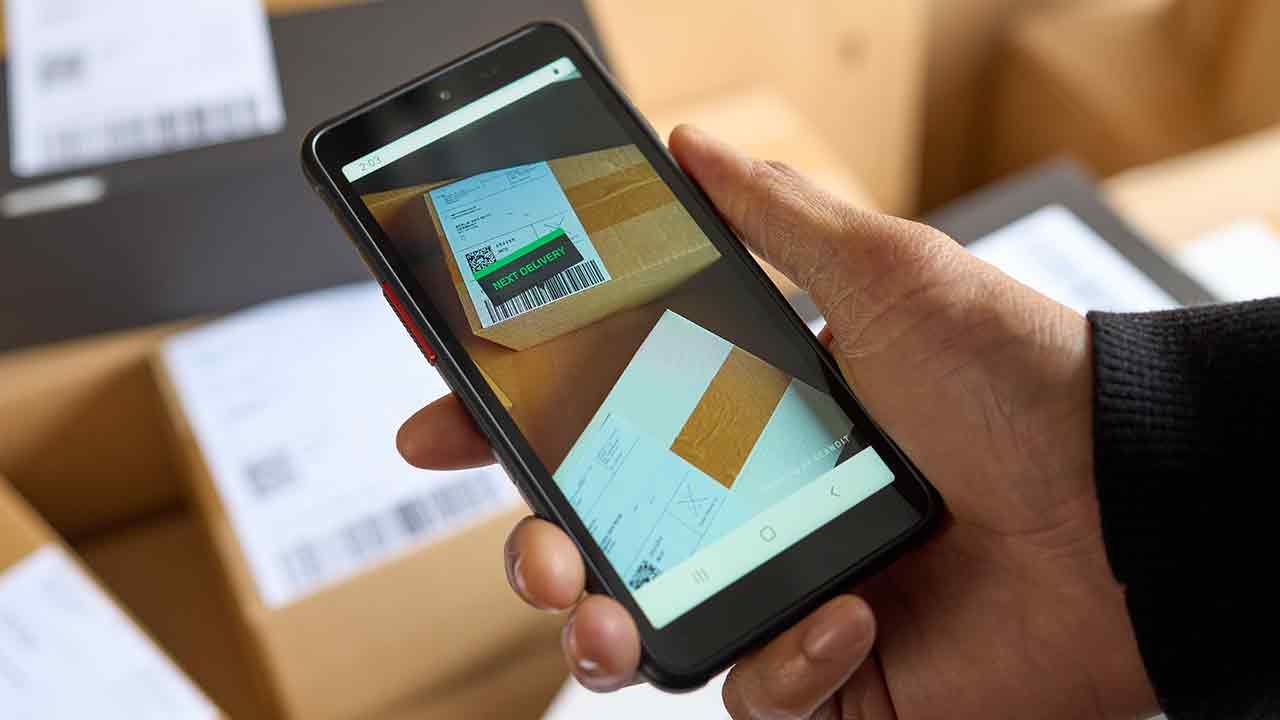
However, software-based scanning through smartphone SDKs has matured to the point where it matches or exceeds hardware performance for the majority of enterprise use cases. A modern scanning SDK transforms any smartphone camera into an enterprise-grade scanner capable of:
- Reading 1D and 2D symbologies
- Performing multi-barcode capture
- Overlaying augmented reality guidance
The advantage is significant. Organizations can leverage devices workers already carry, eliminate dedicated hardware procurement cycles, and deploy updates instantly across their entire fleet through software.
Key Selection Criteria by Industry
Different industries demand different capabilities:
- Retail — speed at point of sale, diverse symbologies including QR codes on loyalty apps, ability to scan from customer phone screens
- Warehousing and logistics — long-range scanning, multi-barcode batch capture for pallet verification, resilience in variable lighting
- Healthcare — strict accuracy for medication verification, support for small Data Matrix codes on pharmaceutical packaging, regulatory compliance
Environmental durability is another critical factor. If your workforce operates in freezing cold-storage facilities, dusty construction sites, or outdoor loading docks, you need to assess whether a ruggedized hardware device or a protective smartphone case paired with software scanning best meets your IP-rating and drop-test requirements.
Total Cost of Ownership: The Hidden Equation
The purchase price of a barcode scanner is only the beginning. Dedicated hardware devices carry hidden costs:
- Repair turnaround times averaging four to six weeks
- Annual failure rates of 10-15% in demanding environments
- Vendor lock-in to proprietary operating systems
- The need to redevelop applications when upgrading device models
Software-based scanning shifts the cost model from capital expenditure to operating expenditure. SDK licensing is predictable and scalable, smartphone repairs are handled through nationwide carrier networks within 24 hours, and application logic is decoupled from any specific device.
When evaluating options, build a 3-year TCO model that accounts for acquisition, maintenance, downtime, training, and opportunity cost. In our experience working with Korean enterprises across retail, logistics, and manufacturing, organizations that conduct this analysis consistently find that software-first approaches deliver 40-60% lower total cost while providing greater flexibility to adopt emerging capabilities like AR-guided workflows and AI-powered recognition.
Want a TCO comparison for your environment? Get in touch with our team.
FAQ
Related Posts
Thinking About Replacing Your PDA Fleet? A 7-Point Checklist Before You Switch to Smartphones
When your industrial PDAs start failing more often and the manufacturer announces end-of-life, you're forced to make a call. Before reordering the same brand's next model out of habit, here's a 7-point checklist for evaluating a switch to smartphone-based scanning.
Build vs. Buy an Inventory Count App — A Selection Guide for Logistics and Retail Teams
If month-end inventory counts always turn into a late night, and scan totals never quite match what's actually on the shelf, it's time to rethink your inventory count app. Here's what actually separates an off-the-shelf app from building your own on top of a scanning SDK.