Data Capture in 2026: Four Predictions Shaping the Year Ahead

Problem
Enterprise data capture strategies built around a single device type or technology are struggling to keep pace with increasingly complex operational environments that span warehouses, retail floors, field service, and last-mile delivery.
Solution
The convergence of physical AI, hybrid multi-device capture networks, augmented reality interfaces, and context-aware barcode scanning creates an adaptive data capture ecosystem that matches the right technology to each operational moment.
Outcome
- Hybrid capture deployments reducing data collection blind spots by over 50%
- AR-guided workflows cutting new employee training time by up to 40%
- Context-aware scanning improving first-scan success rates above 99.5%
For years, enterprise AI meant cloud dashboards and predictive models. In 2026, AI is moving into the physical world — perceiving, understanding, and responding to real environments in real time. For data capture, this shift changes everything.
The Year Physical AI Becomes Tangible
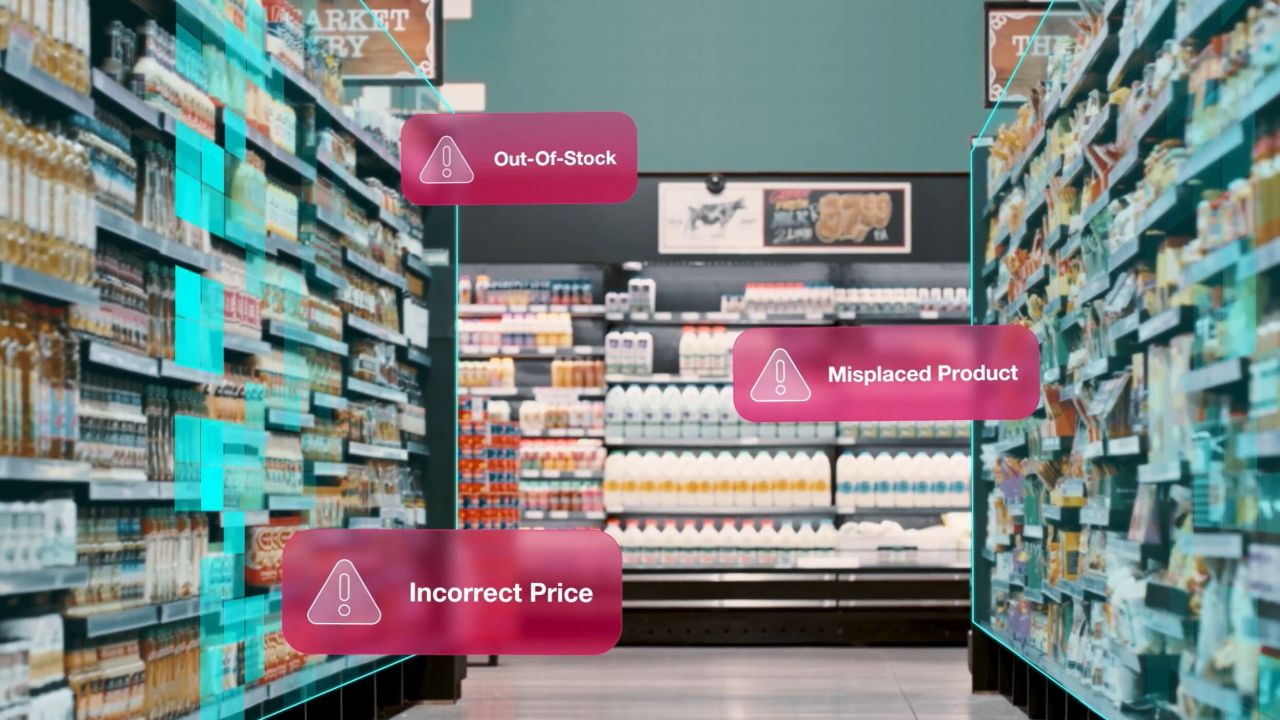
Instead of scanning a barcode and looking up a database record, physical AI enables a device to understand:
- Where a product sits on a shelf
- Whether surrounding items are correctly positioned
- What action the worker likely intends to take next
This contextual awareness transforms data capture from a transactional act into an intelligent interaction with the environment.
Hybrid Capture Strategies Take Hold
The era of choosing one device for all data capture needs is ending. Forward-thinking enterprises are deploying hybrid capture networks that combine multiple device types into a unified system.
Each device brings distinct strengths:
- Smartphones — flexibility, already in every worker's pocket
- Fixed cameras — continuous monitoring without human intervention
- Wearable scanners — hands-free operations for physical tasks
- Drones — large-scale warehouse inventory counts
The winning strategy in 2026 is orchestrating all of these into a unified data capture platform where each device feeds into a shared operational picture.
AR Workflows Move From Pilot to Production
Augmented reality in enterprise settings has been perpetually "one year away" from mainstream adoption. In 2026, that changes.
The catalyst is not hardware — smartphone screens are sufficient for most industrial AR. It is software maturity. AR overlays that guide workers through pick paths, highlight target products on crowded shelves, and visualize real-time inventory data are moving from pilot programs into full production deployments.
SCANDIT's MatrixScan AR technology is a prime example. By overlaying actionable information directly on the camera view as a worker scans multiple items, it transforms complex multi-step tasks into intuitive visual workflows. Workers spend less time reading instructions and more time acting on them.
AI Barcode Scanning Continues to Evolve
Barcode scanning itself has not stood still. The AI models powering modern scanning engines grow more capable with each generation. In 2026, expect scanning that:
- Adapts to lighting conditions automatically
- Recovers data from severely damaged or occluded codes
- Distinguishes intent — separating target scans from accidental peripheral reads with near-perfect accuracy
For Data Connect's enterprise clients in Korea, these are not abstract forecasts. They represent concrete capabilities we are deploying today through SCANDIT's platform. The organizations that adopt early will build operational advantages that compound over time.