

Manufacturing AI: Where Should You Actually Start?
Problem
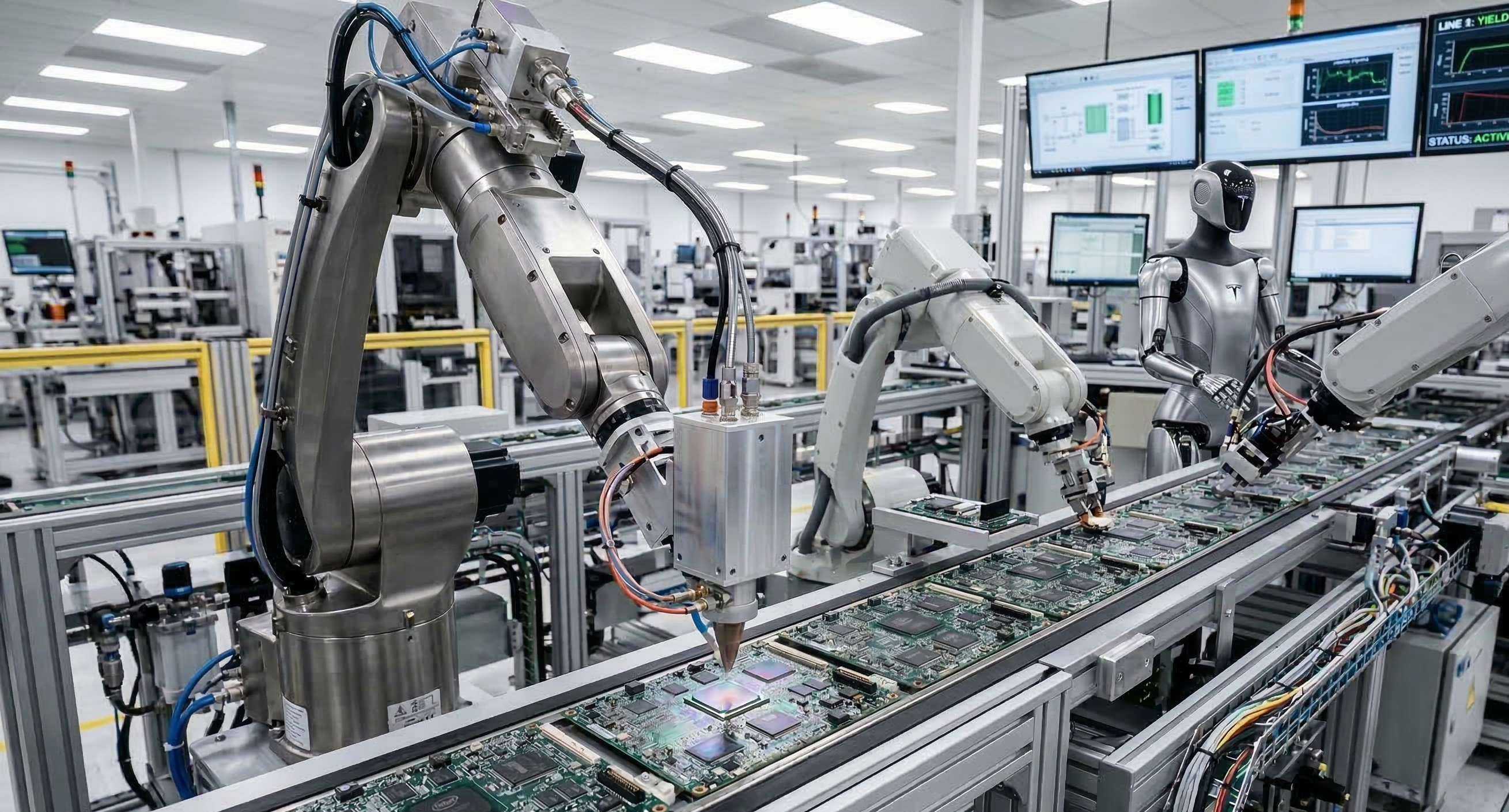
Manufacturers are investing in advanced AI technologies like robots and digital twins before establishing frontline data collection — causing POCs to collapse at the pilot stage.
Solution
The true starting point for AI transformation (AX) is frontline data capture. Scandit's smart data capture platform turns existing smartphones into high-performance scanning tools — capturing barcodes, text, and objects simultaneously — building the digital transformation (DX) foundation without additional hardware investment.
Outcome
- DX foundation enables real AX: defect prediction, real-time line monitoring, process optimization
- Immediate field data collection using existing smart devices — no dedicated hardware needed
- Real-time MES/ERP integration closing the gap between shopfloor and system
AI adoption in manufacturing is accelerating. Smart factories, autonomous processes, predictive maintenance — executive attention is already fixed on the outcomes AI promises to deliver.
But on the shopfloor, a different story is unfolding. POCs that consumed hundreds of thousands of dollars are stalling at the pilot stage and quietly shutting down.
Why Unprepared AX Struggles to Deliver Results
A recurring pattern has emerged across manufacturing sites.
Leadership decides to invest in advanced AI technologies first — robotic automation, digital twins, autonomous process control. Consultants propose impressive POC scenarios. Budgets of hundreds of thousands to millions of dollars are allocated. A few months later, the project is quietly shelved.
The common cause of failure is surprisingly simple. There is no data to train the AI models.
Building a digital twin requires real-time process data. Creating a defect prediction model requires clean historical quality data. Optimizing robotic automation requires accumulated line-by-line operational data.
But the reality on most shopfloors looks like this:
- Work logs managed in handwritten notes or spreadsheets
- Quality inspection results recorded on paper checklists
- MES/ERP contains data, but it's not synchronized with actual field data
- Inter-process logistics tracked through manual barcode label matching
The AI engine is ready, but the fuel — data — simply doesn't exist.
AX Without DX Cannot Deliver Business Impact
A critical distinction needs to be made here.
DX (Digital Transformation) is the process of converting physical shopfloor activities into digital data. It means creating a real-time digital record of what workers scan, which materials move where, and at which process step defects occur.
AX (AI Transformation) is the process of discovering patterns, making predictions, and optimizing — built on top of that accumulated digital data.
The problem is that many manufacturers skip DX and jump straight to AX. When you layer AI on top of a shopfloor where data hasn't been digitized, even the most sophisticated algorithms have nothing to work with.
AX without completed DX is an empty promise. It cannot deliver real business impact.
The Real Starting Point: Frontline Data Capture
The correct sequence for AI adoption is clear.
Step 1: Frontline data capture → Step 2: Data integration and accumulation → Step 3: AI analysis and optimization
The key to Step 1 is capturing data accurately and quickly at the frontline — where the actual work happens.
Scandit's smart data capture platform is designed to solve exactly this first step.
Digitize the Shopfloor With a Single Smartphone
Scandit transforms existing smartphone and tablet cameras into high-performance data capture tools. No dedicated hardware purchase required.
- Barcode/QR scanning: High-accuracy recognition even for damaged or contaminated barcodes
- OCR (text recognition): Instantly read labels, serial numbers, and LOT numbers via camera, with full alphanumeric and multilingual text support
- MatrixScan: Simultaneously scan dozens of barcodes visible in a single frame, dramatically reducing receiving and inventory cycle times
Real-Time MES/ERP Integration
Data captured by Scandit is synced to existing MES/ERP systems in real time via API. The moment a worker scans, it's reflected in the system — eliminating delays and errors from manual entry.
This is the foundation of DX. When every physical activity on the shopfloor begins flowing as digital data into your systems, the soil for AI to operate on is finally prepared.
What AX Becomes Possible on a DX Foundation
Once shopfloor data starts accumulating in real time, AI applications that were previously impossible become reality.
- Defect prediction: Pattern analysis across process quality data to detect defects before they occur
- Real-time line monitoring: Live dashboards showing process status, bottlenecks, and work speed
- Process optimization: Data-driven improvements to work sequences, material placement, and workforce allocation
- Predictive maintenance: Equipment failure prediction based on accumulated operational data
The prerequisite for all of this is accurate, real-time shopfloor data. And that data starts with frontline data capture.
The Sequence Determines Success
In manufacturing AI adoption, the most important factor isn't the sophistication of the technology — it's the order of adoption.
Robots are Step 2. Digital twins are Step 3. Data capture is Step 1.
Before committing to a million-dollar POC, putting a smartphone in a frontline worker's hand may be the faster and more reliable starting point.
Data Connect is SCANDIT's official partner in Korea, supporting the entire journey from building a shopfloor data capture foundation to MES/ERP integration and AI enablement. We recommend starting with a PoC tailored to your specific manufacturing environment to see measurable results firsthand.
FAQ
Related Posts
3 Things More Important Than Technology in AI Adoption
85% of enterprises are adopting AI, but only 39% see measurable results. Here are the three conditions that actually determine whether technology creates value — from the field.
Manufacturing AI Precision Is Determined by Shopfloor Data
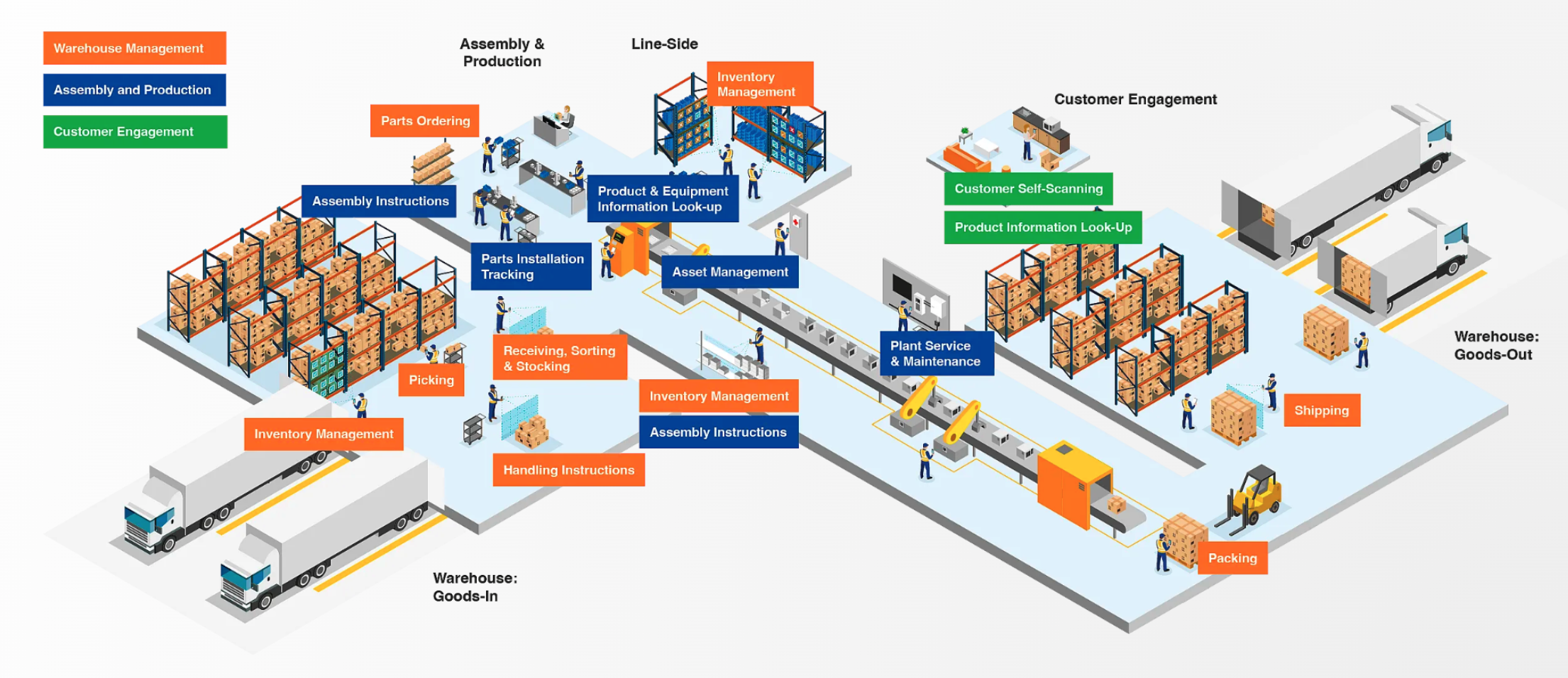
80% of AI projects fail, and 70% of those failures trace back to data quality. Automating data touchpoints from receiving to shipping is the prerequisite for AX success.

Opening the Black Box of Offline Retail — Mobile Scan Customer Analytics
E-commerce tracks every customer action. Offline stores? Only sales receipts. Learn how mobile scan technology captures the hidden customer data in physical retail.