

Introduction
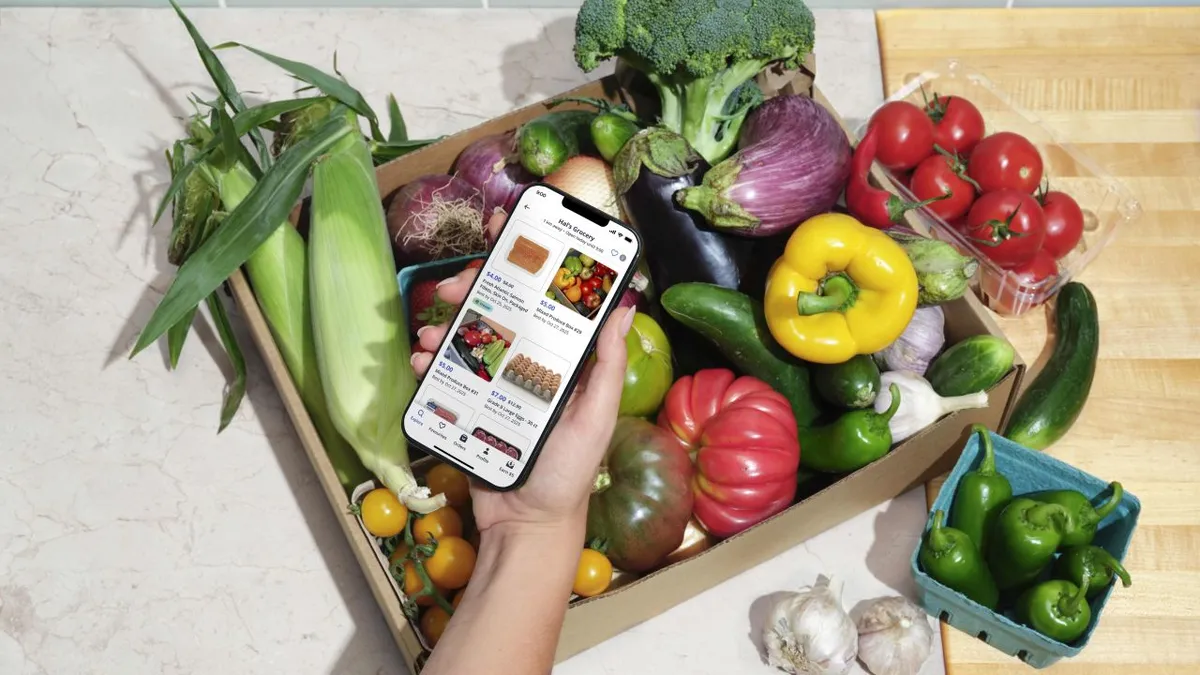
Flashfood is a two-sided marketplace that sells stores' surplus grocery items at a discount. Partnering with major North American grocers including Kroger, Loblaw, and Meijer under the motto 'Feed families, not landfills,' Flashfood has delivered over $400 million in shopper savings and kept approximately 175 million pounds of food out of landfills as of 2026. The marketplace lives or dies by how easily store associates can post surplus items.
Challenge
Grocery backrooms are hard places for technology. Lighting is inconsistent, labels get damaged, and staff work under constant time pressure. Flashfood's previous workflow required manual entry for each item — dates, product details, and prices all typed by hand — making posting slow and inconsistent. Bulk posting was impossible, and open-source OCR tools proved unreliable on weighted items from deli, bakery, and meat departments. When posting feels burdensome, teams discard items instead of listing them — fewer listings, more waste.
Solution
In 2025, Flashfood integrated Scandit's Barcode Scanner SDK and Smart Label Capture into its refreshed iOS and Android Partner App. Associates now capture up to 10 items in a single multi-scan session, while Smart Label Capture uses machine learning to extract prices, expiry dates, and weights from labels and pre-populate the posting form. Associates review the details, adjust as needed, and publish items in under 30 seconds.
Why SCANDIT
Scandit's proven track record with grocers and rapid commerce operators such as Instacart gave Flashfood confidence the technology already understood its operating conditions: poor lighting, damaged labels, and a wide variety of devices. The ability to read multiple barcodes and extract text from a single label, plus pre-built modules and sample code, made native integration straightforward. Flashfood shared barcode samples and performance data with Scandit's team, and the two companies tuned scanning together until it hit target performance.
"Feed Families, Not Landfills" — the Flashfood Mission
Food destined for landfill is a meal that could have reached someone's table. Flashfood was founded on that simple principle. Through partnerships with major North American grocers including Kroger, Loblaw, and Meijer, it discounts surplus inventory, giving shoppers savings and stores a way to cut waste. As of 2026, cumulative shopper savings exceed $400 million, and approximately 175 million pounds of food have gone to tables instead of landfills.
The marketplace's success hinges on store associate participation. When listing takes too long, participation drops — and when inventory thins out, shoppers go elsewhere.
What we're competing against is how easy it is to discard items. Minimizing labor for posting benefits both our mission and partner returns.
— Yixin Zhu, VP of Engineering, Flashfood
Challenge: When Posting Is a Burden, Food Gets Thrown Away
Grocery backrooms are brutal on technology. Lighting varies, labels get damaged, and staff are always short on time. The previous workflow required manual entry for every item — dates, product details, and prices typed by hand — making the process slow and inconsistent.
Posting multiple items at once simply wasn't possible, and open-source character recognition tools couldn't reliably read weighted-item labels from deli and meat departments. Every extra manual step added friction, cutting listing volume and limiting how much food could be rescued.
Solution: Barcode Scanning Meets Smart Label Capture
When Flashfood went looking for a better label-scanning engine in 2025, its requirements were clear: proven reliability in grocery and retail settings across many smartphone models, the ability to read multiple barcodes and extract text from a single label, and a technology partner it could grow with. Scandit's track record with grocers and rapid commerce operators such as Instacart provided that confidence.
Flashfood integrated two Scandit products into the refreshed iOS and Android Partner App:
- Barcode Scanner SDK: Fast, dependable barcode recognition in unpredictable store conditions — poor lighting, damaged labels, and diverse barcode standards.
- Smart Label Capture: Machine learning that reads multiple barcodes and extracts text from a label simultaneously, auto-filling product details such as price, expiry date, and weight.
With pre-built modules, sample implementations, and thorough documentation, native integration went smoothly. Flashfood supplied barcode samples and performance data, and the two teams tuned the scanning configuration together until it met target specifications.
They treated us as genuine collaborators with authentic data. For an organization our size, Scandit's engagement standard proved exceptional.
— Yixin Zhu, VP of Engineering, Flashfood
Today, an associate opens the Partner App, enters the listing workflow, and points the camera at products. Multi-scan captures up to ten items per session, Smart Label Capture pre-populates the posting form, and the associate reviews, adjusts, and publishes in under 30 seconds.
Results: 33% More Items Posted per Week
The outcomes came quickly. After rolling out machine learning-based scanning, item postings rose 33%. Reliability in real store conditions and multi-scan bulk listing are now hallmarks of Flashfood's highest-performing grocery partners.
The secondary effects matter just as much. Consistent, higher-volume posting broadens shopper selection; when deals are reliably available, engagement strengthens. More engagement improves partner returns — a self-reinforcing feedback loop.
Scandit has addressed a significant operational barrier in surplus posting — accelerating the procedure, enhancing precision, and expanding capacity for retail teams leveraging our platform daily. This translates to additional postings, decreased waste, and superior partner returns.
— Yixin Zhu, VP of Engineering, Flashfood
What's Next: Toward Posting with Zero Manual Entry
Flashfood's long-term goal is a posting interface that requires virtually no manual input. The immediate initiative is extending multi-scan to weighted items, which make up a meaningful share of partner inventory — a project moving forward in collaboration with Scandit.
Recognize how scanning precision shapes downstream elements. Posting numbers, data quality, adoption rates, interface experience, partner benefit — everything traces to reliable, speedy listing mechanics.
— Yixin Zhu, VP of Engineering, Flashfood
Impact
After deploying machine learning-based scanning, weekly item postings rose 33%. More listings mean broader shopper selection; consistent availability strengthens engagement, which in turn improves partner returns — a self-reinforcing flywheel. Reliability in real store conditions and multi-scan bulk listing are now distinguishing traits of Flashfood's highest-performing grocery partners.