NRF 2026 Recap: Four Priorities That Defined the Conversation
Problem
Retailers face simultaneous pressure from shrinking margins, rising customer expectations for product availability, growing regulatory demands around food waste, and chronic labor shortages on the store floor.
Solution
The solutions gaining traction at NRF 2026 share a common thread: they augment frontline workers with intelligent tools rather than replacing them, turning smartphones into powerful operational platforms that address shelf accuracy, waste reduction, fulfillment, and staff productivity in a single ecosystem.
Outcome
- Retailers adopting real-time shelf monitoring report 30-40% reductions in out-of-stock incidents
- AI-driven expiry tracking cutting fresh food waste by up to 25%
- In-store fulfillment operations scaling to handle 3x more orders without proportional staff increases
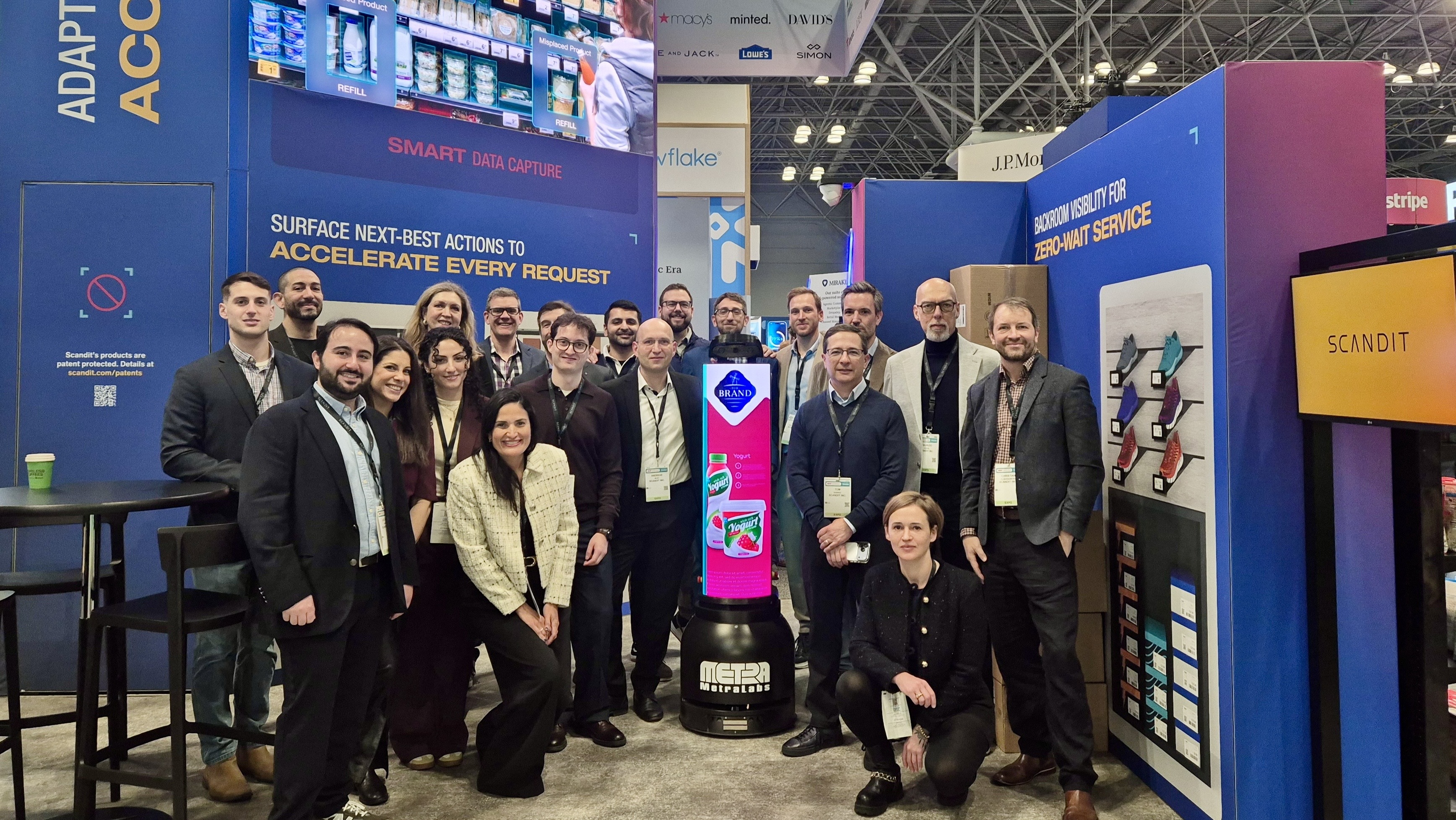
NRF 2026 drew over 40,000 attendees, but beneath the noise, four priorities consistently surfaced across the show floor. These are not speculative trends — they reflect the pain points retailers are actively investing to solve.
What NRF 2026 Told Us About Where Retail Is Heading
Data Connect attended NRF 2026 to understand how global retail priorities align with the challenges our Korean enterprise clients face. The overlap was striking.
Every conversation came back to the same four themes:
- Shelf visibility — closing the gap between system data and reality
- Food waste — turning sustainability from branding into financial savings
- Fulfillment scaling — handling more orders without more staff
- Frontline empowerment — making existing workers more effective with better tools
Priority One: Shelf Visibility Accuracy
The gap between what inventory systems say is on the shelf and what is actually there remains one of retail's most expensive problems. Industry estimates place on-shelf availability at around 92% — meaning roughly one in twelve products a customer looks for is not where it should be.
At NRF, multiple sessions focused on using computer vision and smart data capture to close this gap through real-time shelf monitoring during routine store operations.
Priority Two: Fresh Food Waste Reduction
Sustainability moved from a branding exercise to a financial imperative. Regulations are tightening in Europe and Asia around food waste reporting, and disposal costs are rising globally.
Grocers are investing in technology that tracks expiry dates automatically. The goal is simple:
- Know exactly what is about to expire
- Trigger markdowns or donations in time
- Stop throwing margin into the waste bin
Priority Three: Scaling In-Store Fulfillment
Click-and-collect and rapid delivery continue to grow, but most stores were not designed as fulfillment centers. Retailers shared strategies for scaling pick-and-pack operations without dedicating additional square footage or headcount.
The consensus solution involves:
- Smarter pick-path routing
- Real-time inventory positioning
- Augmented reality overlays that guide workers through complex multi-order picks on their smartphones
Priority Four: Supporting Frontline Staff
Labor shortages are not easing. Rather than pursuing full automation, the most pragmatic retailers are investing in tools that make existing staff more effective.
Smartphone-based applications that combine scanning, task management, and contextual guidance reduce training time for new hires and increase productivity for experienced workers. The technology serves the worker rather than replacing them.
What This Means for Korean Retailers
Every priority discussed at NRF maps directly to challenges we see in Korean retail. Data Connect is working with domestic retailers to deploy SCANDIT-powered solutions that address these exact problems — leveraging existing smartphones to deliver shelf accuracy, waste reduction, fulfillment efficiency, and frontline productivity improvements without massive capital expenditure.
FAQ
Related Posts
Meet Scandit at RetailTech JAPAN 2026 — March 3–6, Tokyo Big Sight
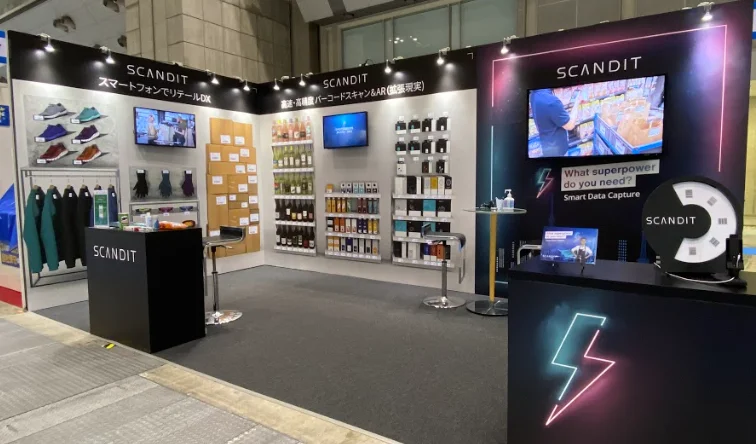
Scandit is exhibiting at RetailTech JAPAN 2026, March 3–6 at Tokyo Big Sight. Visit Booth RT6222 to see the world's leading software-based barcode scanning technology in action.
Four Pillars of Retail Computer Vision: Why Stores Need More Than Barcode Scanning
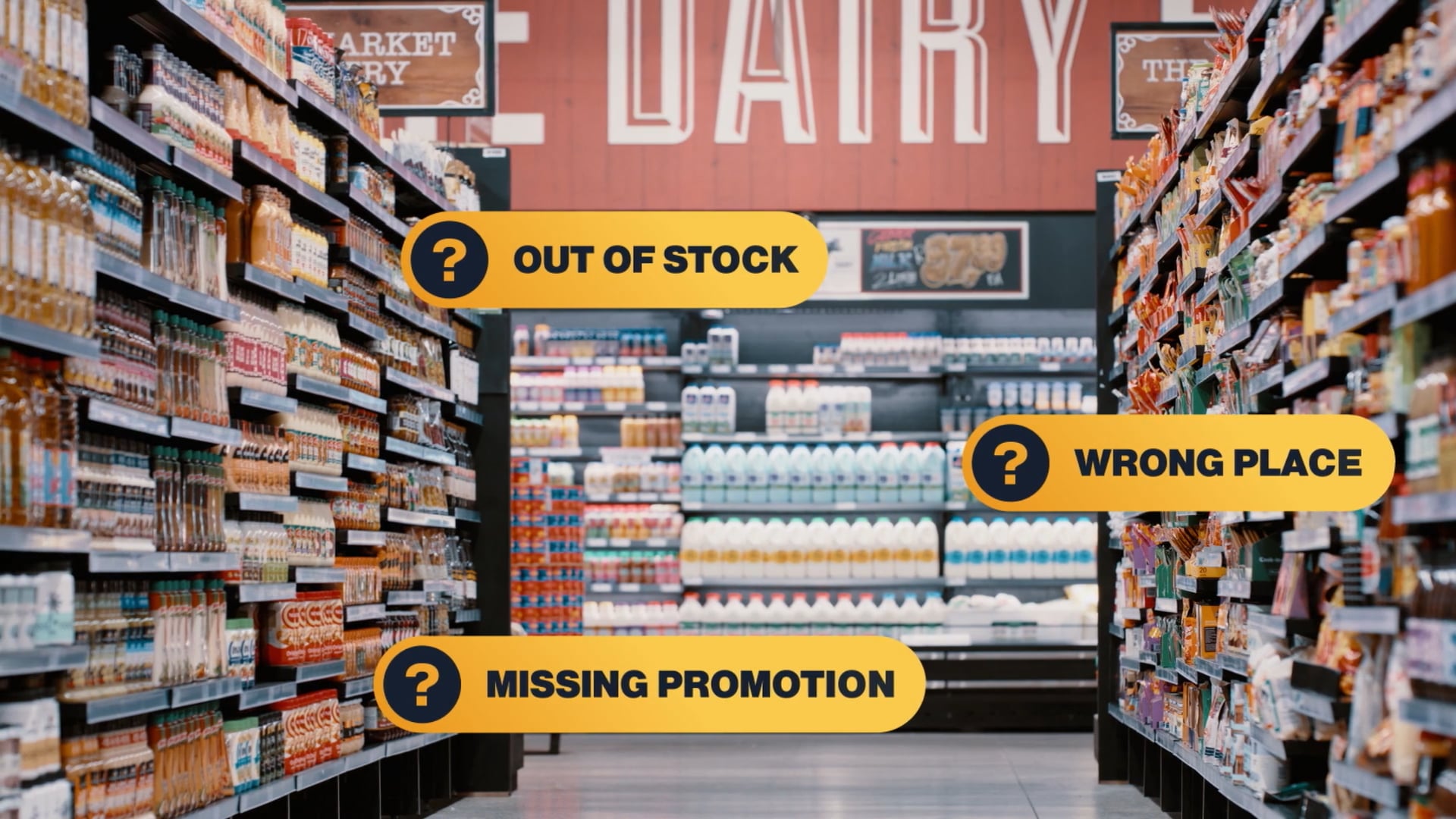
Barcode capture, OCR, shelf detection, and ID verification form a complete vision stack that gives retailers true operational visibility.

RFID vs Barcode in Retail: Why the Smartest Strategy Uses Both
RFID and barcodes are not competing technologies — they serve different operational moments, and the best retailers deploy them together.