Four Pillars of Retail Computer Vision: Why Stores Need More Than Barcode Scanning
Problem
Most retailers deploy computer vision for a single use case — typically barcode scanning at checkout. This siloed approach leaves massive blind spots across the store, from unreadable price labels to unverified age-restricted purchases.
Solution
A unified computer vision strategy combines four capabilities — barcode capture, OCR/text recognition, shelf object detection, and ID verification — into a single platform that runs on standard smartphones and existing cameras, eliminating the need for separate hardware per use case.
Outcome
- Checkout error rates reduced by up to 60% with combined barcode and OCR capture
- Shelf out-of-stock detection accuracy exceeding 95% through object recognition
- Age-restricted product compliance improved with integrated ID verification workflows
Retail stores generate enormous visual data daily, yet most goes uncaptured. Traditional technology treats every scenario — checkout, shelf audit, age verification — as a separate system with separate hardware. The result is incomplete data and slow reactions when something goes wrong.
The Visibility Gap in Modern Retail
When Data Connect works with Korean retailers, we consistently find the same pattern:
- Barcode scanners at the register
- Manual clipboard audits on the shelf
- Paper-based logs for age verification
Each system works in isolation. None of them talk to each other. The result is blind spots across the store and slow reaction times when something goes wrong.
The Four Types of Retail Computer Vision
Barcode capture remains the foundation. Every product interaction — from receiving to selling — begins with identifying the item. Modern AI-powered scanning handles damaged codes, plastic-wrapped packaging, and multi-code environments that defeat traditional laser scanners.
OCR and text recognition fill the gaps barcodes cannot cover. Expiry dates, price labels, lot numbers, and shipping documents all contain critical text that historically required manual entry. Automated text capture eliminates keystroke errors and accelerates data entry by an order of magnitude.
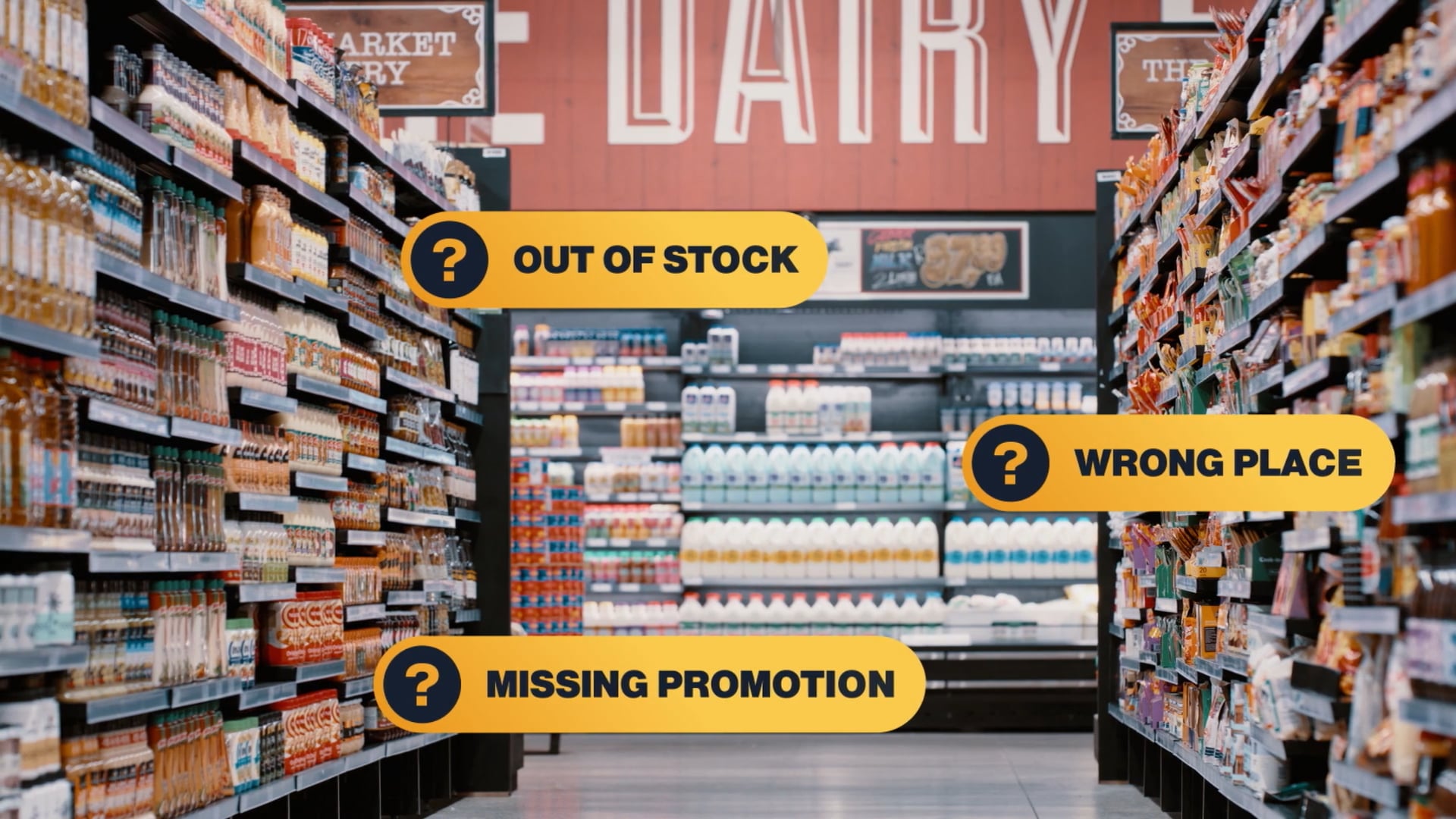
Shelf object detection moves beyond individual items to understand the store as a whole. AI models trained on product images can identify:
- Out-of-stock positions
- Planogram compliance issues
- Misplaced products
These insights come from shelf images captured during routine store walks — no extra effort required.
ID verification closes the compliance loop. For age-restricted products like alcohol and tobacco, integrated document scanning confirms customer identity within the same workflow. No separate device or manual inspection needed.
Why Integration Matters More Than Any Single Capability
The real competitive advantage emerges when all four capabilities share a common platform. A store associate with a single smartphone app can scan a barcode, verify an expiry date via OCR, capture a shelf image for planogram analysis, and check a customer's ID — all without switching devices.
For Korean retailers navigating tightening regulations and rising expectations, this integrated approach is not optional. It is the baseline for operational excellence.
As SCANDIT's official partner in Korea, Data Connect helps retailers design and deploy unified computer vision strategies that deliver measurable results from day one — using hardware they already own.
FAQ
Related Posts
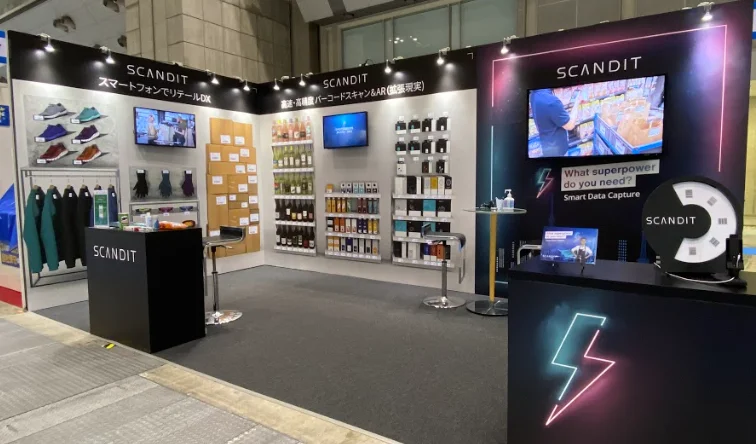
Meet Scandit at RetailTech JAPAN 2026 — March 3–6, Tokyo Big Sight
Scandit is exhibiting at RetailTech JAPAN 2026, March 3–6 at Tokyo Big Sight. Visit Booth RT6222 to see the world's leading software-based barcode scanning technology in action.
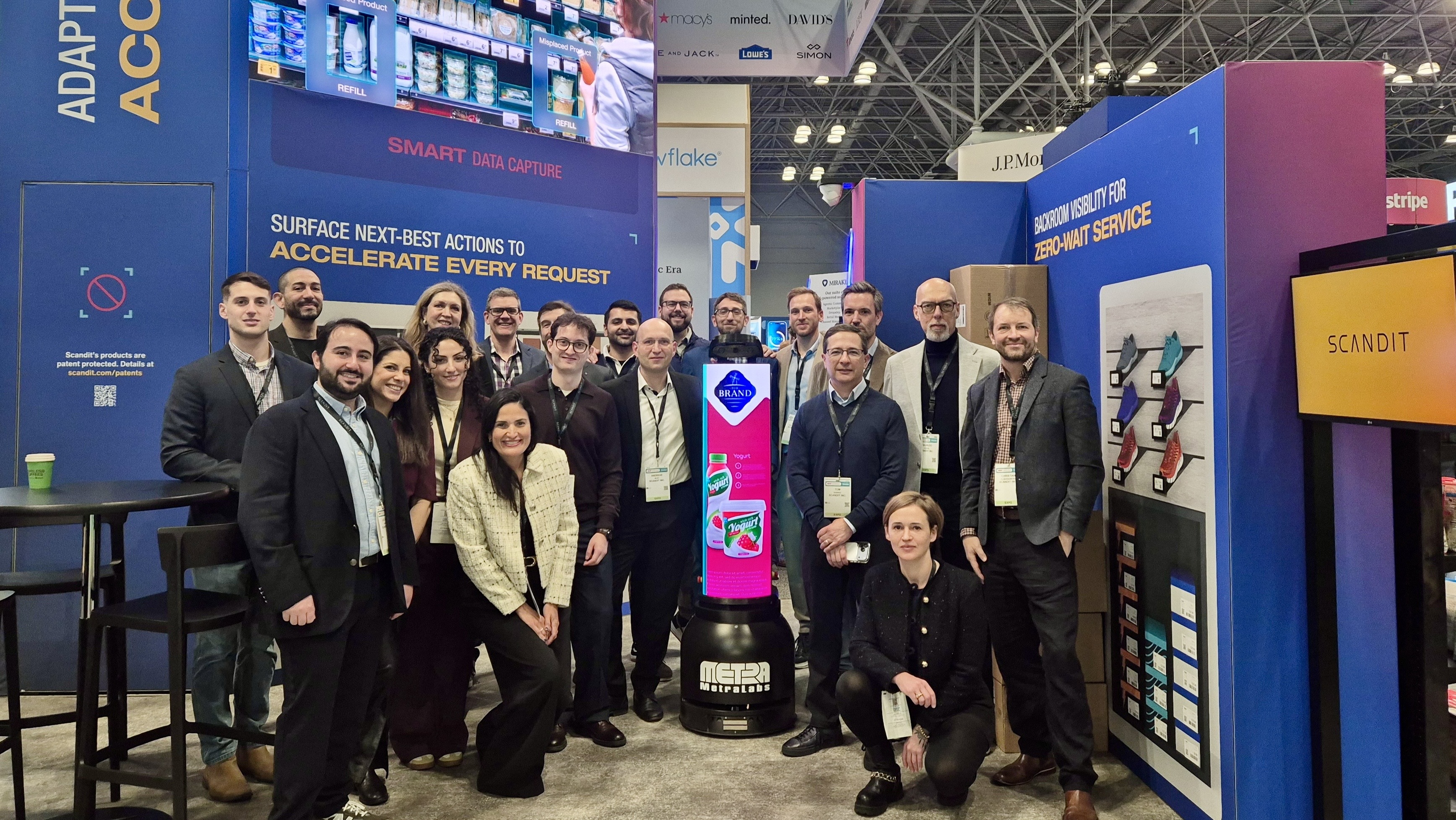
NRF 2026 Recap: Four Priorities That Defined the Conversation
Shelf accuracy, food waste, fulfillment scaling, and frontline empowerment emerged as the four themes every retailer was talking about.
RFID vs Barcode in Retail: Why the Smartest Strategy Uses Both
RFID and barcodes are not competing technologies — they serve different operational moments, and the best retailers deploy them together.